Key takeaways
- Gocovri (amantadine) is a brand-name drug prescribed to treat involuntary movements and reduce “off” episodes in adults taking a levodopa-based medication for Parkinson’s disease.
- Common side effects of Gocovri include hallucinations, paranoia, delusions, and trouble managing impulses. You should immediately contact your doctor if you experience any of these symptoms.
- In order to avoid potential interactions, talk with your doctor about other drugs and supplements you take and any vaccines you may need before starting Gocovri.
Gocovri is a prescription drug used in adults with Parkinson’s disease (PD) to treat the following:
- Dyskinesia (uncontrolled or unusual movements) in people who are also taking a drug for PD called levodopa. (Dyskinesia is a side effect of levodopa, especially when taken long term.)
- “Off” episodes in people who are also taking a drug called levodopa/carbidopa (Sinemet, Rytary, and others). (“Off” episodes are when PD symptoms worsen between scheduled doses of levodopa/carbidopa.)
With PD, cells in a part of your brain called the substantia nigra begin to die. The substantia nigra produces a chemical called dopamine which — among other functions — helps you to have smooth, controlled body movements. When substantia nigra cells die, your dopamine levels start to drop and when they become low enough, symptoms of PD begin to appear.
The first symptoms are usually problems with balance and problems with movement, such as tremors, stiffness, and slow movements.
Other symptoms of PD can include:
- Parkinsonian gait (taking shuffling steps while walking)
- blank facial expression
- constipation
- stooped posture
To learn more about Gocovri’s mechanism of action (how it works), see the “Frequently asked questions about Gocovri” section.
If you and your doctor agree that Gocovri is safe and working well for you, you’ll likely take it long term.
Gocovri basics
Gocovri contains amantadine as its active ingredient. Amantadine is also a generic drug that comes in certain strengths and forms. But Gocovri contains amantadine in a form and strengths that aren’t available as generics.
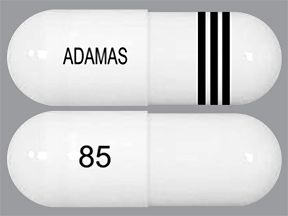
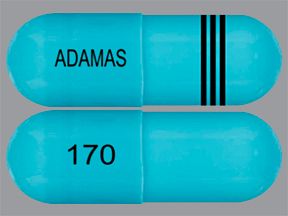
Gocovri comes as extended-release capsules that you swallow. (“Extended-release” means the dose is slowly released into your body over time.)
Like most drugs, Gocovri may cause mild to serious side effects. The following lists contain some of the more common side effects Gocovri may cause, but don’t include all possible side effects.
Keep in mind that side effects of a drug can depend on:
- your age
- other health conditions you have
- other medications you take
Your doctor or pharmacist can tell you more about the potential side effects of Gocovri. They can also suggest ways to help reduce or manage them.
Note: After the Food and Drug Administration (FDA) approves a drug, it tracks and reviews side effects of the medication. Sharing your experience helps make medications safer for everyone by giving doctors and researchers more information about how the drug works in real life. If you develop a side effect while taking Gocovri and want to tell the FDA about it, visit MedWatch or call 800-FDA-1088.
Mild side effects
The following is a list of some of the mild side effects Gocovri can cause. To learn about other mild side effects, talk with your doctor or pharmacist, or read the drug’s prescribing information.
Mild side effects of Gocovri that have been reported include:
- blurry vision
- confusion
- constipation
- decreased appetite
- dizziness
- difficulty sleeping
- dry mouth
- fatigue
- headache
- mottled skin (skin that looks blotchy)
- muscle spasms
- nausea
- peripheral edema (swelling due to fluid buildup in your legs and feet)
- sleepiness
- swelling in your joints
- urinary tract infection (UTI)
- vomiting
Mild side effects of many drugs may go away within a few days to a couple of weeks. But if they become bothersome, talk with your doctor or pharmacist.
Serious side effects
Serious side effects from Gocovri can occur, but they aren’t common. If you have serious side effects, call your doctor right away. But if you think you’re having a medical emergency, immediately call 911 or your local emergency number.
Serious side effects of Gocovri that have been reported include:
- anxiety
- corneal edema
- depression
- dystonia (involuntary muscle contractions)
- enlarged prostate
- falling asleep during regular activities or during the day
- falls
- hallucinations, paranoia, or delusions
- orthostatic hypotension (a drop in blood pressure upon standing up)
- suicidal thoughts or behaviors
- trouble managing impulses
For more information about some of these side effects, see the “Side effect focus” section.
Help is out there
If you or someone you know is in crisis and considering suicide or self-harm, please seek support:
- Call or text the 988 Suicide and Crisis Lifeline at 988 or chat at 988lifeline.org. Caring counselors are available to listen and provide free and confidential support 24/7.
- Text HOME to the Crisis Text Line at 741741 to connect with a volunteer crisis counselor for free and confidential support 24/7.
- Not in the United States? Find a helpline in your country with Befrienders Worldwide.
- Call 911 or your local emergency services number if you feel safe to do so.
If you’re calling on behalf of someone else, stay with them until help arrives. You may remove weapons or substances that can cause harm if you can do so safely.
If you’re not in the same household, stay on the phone with them until help arrives.
Side effect focus
Learn more about some of the side effects Gocovri may cause.
Falling asleep during regular activities or during the day
Taking Gocovri may result in falling asleep during regular activities or during the day. This is because the drug can cause extreme sleepiness and fatigue.
While this side effect wasn’t common in studies, people taking Gocovri have reported falling asleep during activities including:
- driving a motor vehicle (which has resulted in accidents)
- eating a meal
- having a conversation
Extreme sleepiness caused by Gocovri can occur without warning. In some cases, people reported feeling awake and alert immediately before falling asleep.
You may be at increased risk of this side effect when taking Gocovri if you:
- consume alcohol
- have a sleep disorder or unpredictable sleep patterns
- take other drugs that can make you feel sleepy
What might help
Before prescribing Gocovri, your doctor will assess your risk of extreme sleepiness. If you have other risk factors for daytime sleepiness or falling asleep during activities, your doctor may decide Gocovri isn’t safe for you.
If you start having these side effects while taking Gocovri, tell your doctor. They’ll help you decide whether you should continue Gocovri treatment.
Hallucinations, paranoia, or delusions
Taking Gocovri may cause hallucinations, paranoia, or delusions as a side effect.
- A hallucination is seeing or hearing something that’s not really there.
- Paranoia is fear or distrust that’s not rational.
- A delusion is a false belief.
These were among the most common side effects reported in studies of Gocovri. They’re more likely to occur when you first start treatment and any time your dose is increased.
Hallucinations, which were the most common side effect in Gocovri studies, occurred more often in adults ages 65 years and above. In some cases, people stopped taking Gocovri due to hallucinations.
You may also have an increased risk of these side effects if you have an existing mental health condition, such as schizophrenia.
Due to these risks, doctors usually won’t prescribe Gocovri if you have certain mental health conditions.
What might help
If you have hallucinations, paranoia, or delusions while taking Gocovri, call your doctor immediately. They can help treat your symptoms and determine whether it’s safe for you to continue taking Gocovri. But if you think you’re having a medical emergency, immediately call 911 or seek emergency medical care.
Difficulty managing impulses
You may have trouble managing your impulses as a side effect of Gocovri. Examples of unmanageable urges the drug may cause include:
- binge eating
- increased sexual urges
- strong urges to spend money
- unusual gambling urges
It’s not clear whether difficulty managing impulses was reported as a side effect in Gocovri’s studies, but it has been
What might help
Contact your doctor right away if you have difficulty managing your impulses while taking Gocovri. In some cases, lowering the dose or stopping the drug may end these urges.
Because it may be hard for you to identify these behaviors as unusual or abnormal, it’s important for someone to know you’re taking Gocovri. This can be a loved one, caregiver, or family member who can help identify unusual behaviors if you have them.
Allergic reactionSome people may have an allergic reaction to Gocovri. While allergic reactions weren’t reported in the drug’s studies, they can still occur.
Symptoms of a mild allergic reaction can include:
A more severe allergic reaction is rare but possible. Symptoms of a severe allergic reaction can include swelling under your skin — usually in your eyelids, lips, hands, or feet. They can also include swelling of your tongue, mouth, or throat, which can cause breathing difficulties.
Call your doctor right away if you have an allergic reaction to Gocovri. But if you think you’re having a medical emergency, immediately call 911 or your local emergency number.
Whether you have health insurance or not, cost may be a factor when you’re considering Gocovri. What you’ll pay for this drug may depend on several things, such as your treatment plan and the pharmacy you use.
Here are a few things to consider regarding cost:
- Comparing pharmacies: The price of Gocovri may vary depending on which pharmacy you use, so it can help to compare prices across pharmacies to find the lowest cost.
- Savings program: A cost assistance program for Gocovri may be available. For more information and to find out whether you’re eligible for support, call 844-462-6874 or visit the program website.
Gocovri isn’t available as a generic. It contains amantadine, which is a generic drug that comes in certain strengths and forms. But Gocovri contains amantadine in a form and strengths that aren’t available as generics.
If you have questions about how to pay for your prescription, talk with your doctor or pharmacist.
Your doctor will recommend the dosage of Gocovri that’s right for you. Always take the dosage they prescribe.
Form and strengths
Gocovri comes as an extended-release capsule that you swallow. (“Extended-release” means the drug is slowly released into your body over time.)
Gocovri capsules come in two strengths: 68.5 milligrams (mg) and 137 mg.
Recommended dosage
You’ll take Gocovri once each day at bedtime.
Questions about Gocovri’s dosage
Here are some common questions about Gocovri’s dosage.
- What if I miss a dose of Gocovri? If you miss a dose of Gocovri, take it as soon as you remember. But if it’s almost time for your next dose, skip the missed dose, then take your next dose at the regular time. Do not take more than one dose of Gocovri at once.
- Will I need to take Gocovri long term? You’ll likely take Gocovri long term if you and your doctor agree the drug is safe and working for you.
- How long does Gocovri take to work? Gocovri begins working as soon as you take a dose, but it may take several weeks of treatment before you notice your symptoms easing. How long Gocovri takes to work can vary from person to person.
The following are answers to some commonly asked questions about Gocovri.
How does Gocovri work?
Gocovri’s mechanism of action (how it works) in people with PD isn’t fully understood. It’s thought to affect a brain chemical called dopamine. This may help to reduce dyskinesia (uncontrolled movements), which is a side effect of levodopa.
Levodopa is a drug commonly prescribed to treat symptoms of PD, such as tremor. Levodopa works by increasing the levels of dopamine in the brain. But levodopa wears off quickly after you take a dose. This can result in “off” episodes in which your PD symptoms become worse between levodopa doses.
It’s believed that Gocovri works to reduce these episodes by increasing the activity of dopamine in the brain. And dopamine helps you to have smooth, controlled body movements.
If you have more questions about how Gocovri works, talk with your doctor or pharmacist.
What’s to know about Gocovri vs. amantadine?
Gocovri and amantadine are very similar. This is because Gocovri contains amantadine as its active ingredient. (The active ingredient is what makes the drug work.) Amantadine is available as a generic.
Both Gocovri and amantadine may be prescribed to treat dyskinesia (uncontrolled movements) caused by PD.
There are a few differences between these drugs. For example, Gocovri contains extended-release amantadine. “Extended-release” means the drug slowly releases into your body over time. This kind of amantadine isn’t available as a generic.
Amantadine may be prescribed to treat the flu. Gocovri is not prescribed for this purpose.
If you’d like to know more about Gocovri and how it compares with amantadine, talk with your doctor or pharmacist.
Will Gocovri cure my PD?
No, Gocovri won’t cure PD. There currently is no known cure for PD. But studies have shown that Gocovri can help reduce symptoms of dyskinesia caused by PD. The drug has also been shown to be effective for reducing the number of “off” episodes between doses of levodopa/carbidopa (Sinemet, Rytary, and others).
Talk with your doctor or pharmacist if you’d like to know more about treatment options for PD.
What should I know about stopping Gocovri treatment?
You should not stop taking Gocovri without talking with your doctor first. Suddenly stopping this medication can cause withdrawal symptoms. (These are side effects that can happen when you stop taking a drug your body has become dependent on.)
Examples of withdrawal symptoms include:
Stopping Gocovri suddenly can also cause symptoms of Parkinson’s disease to worsen.
When stopping this medication, your dose should be slowly decreased over time. This is known as a dose taper. Your doctor or pharmacist can suggest a dose taper schedule that’s safe for you.
Your doctor will explain how you should take Gocovri, including how much to take and how often. Be sure to follow their instructions.
Taking Gocovri
Gocovri comes as an extended-release capsule that you swallow. (“Extended-release” means the drug is slowly released into your body over time.)
Accessible medication containers and labels
If you have difficulty reading the label on your prescription, tell your doctor or pharmacist. Certain pharmacies may provide medication labels that have large print, use braille, or contain a code you can scan with a smartphone to change the text to audio.
Your doctor or pharmacist may be able to recommend a pharmacy that offers these options if your current pharmacy doesn’t.
If you’re having trouble opening your medication bottles, let your pharmacist know. They may be able to put Gocovri in an easy-open container or recommend tools to make it simpler to open the drug’s container.
Taking Gocovri with other drugs
Gocovri is always prescribed along with another drug that contains levodopa (which is used to treat the symptoms of PD).
Some examples of drugs prescribed along with Gocovri include:
Your doctor may prescribe more than one medication that contains levodopa. They may also prescribe other drugs to help manage the symptoms of PD.
Questions about taking Gocovri
The following are some common questions about taking Gocovri.
- Can Gocovri be chewed, crushed, or opened? Gocovri capsules are meant to be swallowed whole. You should not chew or crush them. If you have difficulty swallowing them, you may open the capsules and sprinkle the contents onto soft food, such as applesauce. This mixture should be eaten immediately.
- Should I take Gocovri with food? You may take Gocovri with or without food.
Some important things to discuss with your doctor when considering Gocovri include your overall health and any medical conditions you may have. You should also talk with them and your pharmacist about all the drugs you take. They’ll want to check for any interactions with Gocovri.
Interactions
Taking a medication with certain vaccines, foods, and other things can affect how the medication works. These effects are called interactions.
Before taking Gocovri, be sure to tell your doctor about all medications you take, including prescription and over-the-counter kinds. Also, describe any herbs, vitamins, or supplements you use. Your doctor or pharmacist can tell you about any interactions these items may cause with Gocovri.
Interactions with drugs or supplements
Gocovri can interact with several kinds of drugs. These include:
- carbonic anhydrase inhibitors, such as acetazolamide
- anticholinergic drugs, such as:
- dicyclomine (Bentyl)
- benztropine (Cogentin)
- oxybutynin (Ditropan XL)
- scopolamine
- tolterodine (Detrol, Detrol LA)
- trihexyphenidyl
- sodium bicarbonate
This list does not contain all kinds of drugs that may interact with Gocovri. Your doctor or pharmacist can tell you more about these interactions and any others that may occur while taking this drug.
Other interactions
You should avoid getting the live flu vaccine while you’re taking Gocovri. (Live vaccines contain a live version of the virus or bacteria they’re meant to protect you from.) The live flu vaccine is called FluMist. It’s given as a nasal spray.
While you should avoid the nasal spray, it’s OK to receive an inactivated flu shot while taking Gocovri. This is where the virus in the vaccine is not alive.
Talk with your doctor or pharmacist if you have questions about which flu shot is right for you.
Warnings
Gocovri may not be right for you if you have certain medical conditions or other factors that affect your health. Talk with your doctor about your health history before starting this medication. Factors to consider include those in the following list.
- depression or suicidal thoughts
- kidney problems
- previous allergic reaction to this or a similar drug
- schizophrenia or another psychiatric condition
- sleep problems
- unusual urges or impulses
Gocovri and alcohol
It’s recommended that you avoid alcohol while taking Gocovri. Drinking alcohol increases your risk of certain side effects Gocovri may cause, including:
If you consume alcohol, talk with your doctor about whether Gocovri is safe for you.
Pregnancy and breastfeeding
It’s not known whether it’s safe to take Gocovri while pregnant or breastfeeding. Talk with your doctor about safe treatment options for PD if you’re pregnant, planning a pregnancy, or breastfeeding. They can discuss the risks and benefits of various treatments for your condition, including Gocovri.
Do not take more Gocovri than your doctor prescribes, as this can lead to serious side effects.
Symptoms caused by an overdose can include:
- agitation or aggression
- breathing difficulties
- extreme tiredness
- heart problems
- kidney problems
- loss of muscle control
- psychosis
- tremors
In extreme cases, overdose can result in a coma or even death.
What to do in case you take too much Gocovri
Call your doctor right away if you think you’ve taken too much Gocovri. You can also call 800-222-1222 to reach America’s Poison Centers, or use its online resource. But if you have severe symptoms, immediately call 911 or your local emergency number, or go to the nearest emergency room.
Disclaimer: Healthline has made every effort to make certain that all information is factually correct, comprehensive, and up to date. However, this article should not be used as a substitute for the knowledge and expertise of a licensed healthcare professional. You should always consult your doctor or another healthcare professional before taking any medication. The drug information contained herein is subject to change and is not intended to cover all possible uses, directions, precautions, warnings, drug interactions, allergic reactions, or adverse effects. The absence of warnings or other information for a given drug does not indicate that the drug or drug combination is safe, effective, or appropriate for all patients or all specific uses.