














Key takeaways
- Insulin is a generic prescription drug used to manage diabetes mellitus in cats.
- Several types of insulin are used in cats, including veterinary-labeled products and certain human insulin formulations.
- Insulin comes in the form of an injection you administer under your pet’s skin. The injection is given with a very fine needle and most cats tolerate it well with minimal discomfort.
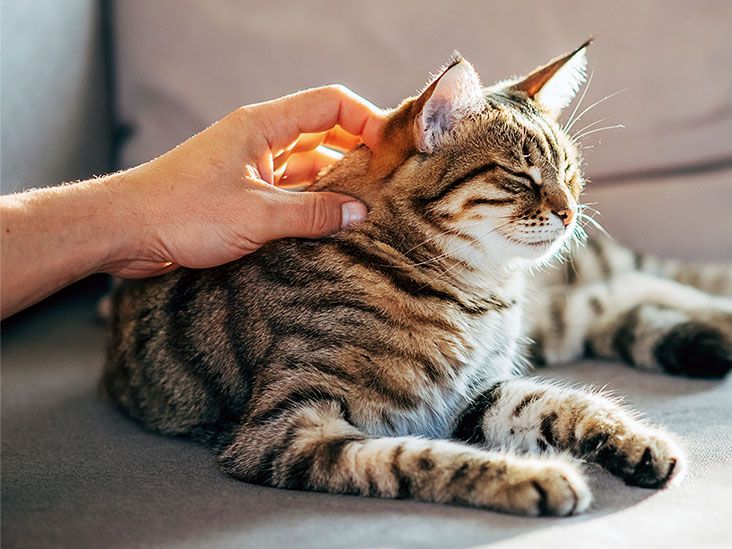
Insulin is used to manage diabetes mellitus cats. Insulin comes in the form of an injection that you will administer under your pet’s skin. The injection is given with a very fine needle and most cats tolerate it well with minimal discomfort.
Your veterinarian will determine the proper dosage of insulin for your cat. But as your cat’s blood sugar levels return to a normal range, you should notice a decrease in certain symptoms, such as reduced thirst and urination, improved body weight, and normal appetite and energy levels.
Signs of not enough insulin in cats
If your cat is not getting enough insulin, you may notice a return of certain symptoms, including:
- excessive urination and drinking
- increased appetite
- vomiting
- weight loss
- lethargy
- poor coat condition
- changes with walking, with can indicate nerve pain or damage
- breath that smells sweet or fruity
From time to time, your veterinarian may need to change your cat’s insulin dosage to achieve the desired effects.
Insulin may cause side effects, which can be mild or serious. The most common side effect of insulin reported in cats is hypoglycemia (low blood sugar), which can cause symptoms, such as
- sudden weakness
- lethargy
- difficult walking
- tremors
- confusion
- seizures
If you suspect your cat’s blood sugar is low, offer food immediately. If your cat cannot eat, rub a small amount of corn syrup, honey, or sugar water on the gums. Then, contact your veterinarian or an emergency clinic right away for further instructions.
If you have questions about any of insulin’s side effects, talk with your veterinarian.
Insulin safety
The following are some insulin safety tips to consider when administering the drug to your cat:
- For most insulins, it is important to give with or immediately after meals.
- Do not shake most insulins, especially lente and protamine zinc insulin (PZI), which should be rolled gently.
- Store your pet’s insulin in the refrigerator.
- Administer your dosages at the same time each day to manage blood sugar levels.
Note: Regular monitoring with blood glucose testing, glucose curves, or continuous glucose monitoring is necessary to ensure safe and effective treatment.
Some cats with diabetes can enter remission. This means their blood sugar returns to normal and insulin injections are no longer needed. Remission is more likely to occur when diabetes is diagnosed early and well controlled with insulin therapy and an appropriate diet.
If remission occurs, ongoing monitoring is important because diabetes can return. Never stop giving insulin unless directed by your veterinarian.
You may be able to buy your cat’s insulin and the necessary syringes through your veterinarian’s office. You may also be able to purchase them through your local pharmacy, however, you will likely need a prescription from your veterinarian to do so.
There are different types of insulin. But typically, the best insulin for cats is one that is longer-acting, such as glargine or PZI.
Your veterinarian will determine the best insulin for your pet.
Pet medicationsThis article provides information about medications for pets. Do not use human medications for pets, or pet medications for humans, as dosages, strengths, and ingredients may be different and can lead to serious harm. Always use medications under the guidance of a licensed veterinarian or doctor.
The cost per month for Insulin for cats can vary based on several factors. Typically, cats are not covered under your personal or family health insurance plan. However, if you have pet insurance, it may cover a part or all of your cat’s medication.
To find out if your pet insurance covers your cat’s insulin, talk with an insurance representative.
If you don’t have pet insurance, you may need to pay out of pocket for your cat’s medication. Coupons, such as those available at Optum Perks, may be able to help lower the cost of insulin (Note: Optum Perks is a sister site of Healthline.)
For the best price on your pet’s prescription, you may also want to compare pharmacies. The price of insulin may vary depending on which pharmacy you use, so it can help to compare prices across pharmacies to find the lowest cost.
Your veterinarian may prescribe insulin to manage blood sugar levels in cats with diabetes. Your veterinarian will determine the right dosage for your cat. You may be able to save on the cost of the drug through pet insurance (if you have it), coupons, and pharmacy comparisons.