Key takeaways
- Myrbetriq (mirabegron) is a prescription drug used to treat certain forms of urinary incontinence in adults and some children.
- It’s available in extended-release oral tablets and granules.
- Myrbetriq is usually taken once per day, but dosages may vary based on the condition being treated and whether it’s being used for adults or children.
Specifically, doctors prescribe Myrbetriq to treat:
- overactive bladder in certain adults
- neurogenic detrusor overactivity in certain children
This article describes the dosages of Myrbetriq, its strengths, and how to take it.
Below are details about Myrbetriq’s available forms and strengths.
Forms
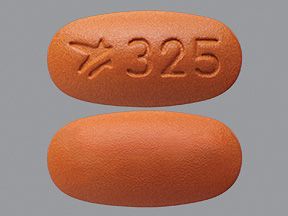
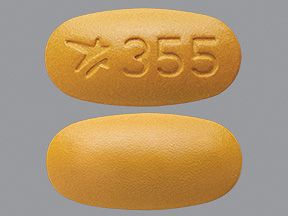
Myrbetriq comes as an extended-release (ER) oral tablet. ER means the drug is released into the body slowly over time after you take a dose.
It also comes as granules that the pharmacist mixes with water to make an ER liquid oral suspension.
Strengths
Myrbetriq ER oral tablet comes in strengths of 25 mg and 50 mg. Myrbetriq granules come prepared in a bottle with 8 mg of the drug in each mL of water.
Your doctor will likely start you on a low dosage and adjust it over time to reach the right amount for you. They’ll ultimately prescribe the smallest dosage that provides the desired effect.
The information below describes dosages that are commonly used or recommended. But be sure to take the dosage your doctor prescribes for you. They’ll determine the best dosage to fit your needs.
Myrbetriq is approved to treat overactive bladder in certain adults. For this use, you may take Myrbetriq alone or with solifenacin (Vesicare).
The dose range of Myrbetriq ER tablet is 25 mg to 50 mg.
For overactive bladder in adults, doctors prescribe a starting dosage of 25 mg once per day. After 4 to 8 weeks, your doctor may increase your Myrbetriq dosage to 50 mg once per day. (This is the maximum dosage of Myrbetriq.)
Myrbetriq is approved to treat neurogenic detrusor overactivity in children ages 3 years and older. This condition causes a muscle in the bladder (the detrusor) to contract uncontrollably. In turn, this leads to urinary incontinence.
The dosage and form of Myrbetriq that your child’s doctor prescribes for them will depend on their body weight.
Children weighing less than 35 kg will take Myrbetriq granules prepared as an ER suspension. (For reference, 1 kg equals about 2.2 pounds [lb]. So, 35 kg is about 77 lb). Children weighing 35 kg or more may take either Myrbetriq granules or Myrbetriq ER tablets.
The following table lists the starting and maximum dosages of both Myrbetriq forms. These dosages are based on the child’s body weight.
| Body weight in kg | Approximate body weight in lb | Form | Starting dosage | Maximum dosage |
| 11 kg to less than 22 kg | 24.2 lb to less than 48.4 lb | granules | 3 mL (24 mg of prepared suspension) once per day | 6 mL (48 mg of prepared suspension) once per day |
| 22 kg to less than 35 kg | 48.4 lb to less than 77 lb | granules | 4 mL (32 mg of prepared suspension) once per day | 8 mL (64 mg of prepared suspension) once per day |
| 35 kg or more | 77 lb or more | granules | 6 mL (48 mg of prepared suspension) once per day | 10 mL (80 mg of prepared suspension) once per day |
| 35 kg or more | 77 lb or more | ER tablet | 25 mg once per day | after 4 to 8 weeks: 50 mg once per day |
For example, assume that a doctor prescribes Myrbetriq granules for a child weighing 20 kg. (This is about 44 lb.) The child will take a starting dosage of 3 mL (24 mg prepared suspension) once per day.
Below are answers to some commonly asked questions about Myrbetriq’s dosage.
What is the best time of day to take my Myrbetriq dose?
You’ll take Myrbetriq once per day at the same time every day. The best time to take Myrbetriq is when you will most likely remember to take it.
Doctors recommend that children take Myrbetriq extended-release tablets and granules with food. The best time for your child to take Myrbetriq might be with a specific daytime meal.
You can check with your doctor or pharmacist if you have questions about the time of day to take Myrbetriq.
Is there a Myrbetriq 100-mg tablet daily dosage?
No, the drugmaker has not recommended a 100-milligram (mg) tablet daily dosage of Myrbetriq. In studies, some people received a 100-mg daily dosage. But the approved maximum dosage of Myrbetriq tablet is 50 mg once per day.
The Myrbetriq tablet form is not equal to Myrbetriq granules in strength. This means the 50-mg tablet is not equal to 50 mg of granules. That is why you may see some maximum dosages for granules higher than 50 mg.
If you have questions about your daily dosage of Myrbetriq, ask your doctor or pharmacist. Also, do not switch between forms of Myrbetriq without first talking with your doctor.
If I have renal (kidney) problems, does Myrbetriq have recommended renal dosing adjustments?
Yes, it has recommended renal dosages for people with kidney problems. The specific dosage will depend on the severity of your kidney problems.
For more severe kidney problems, your doctor likely will decrease your maximum dosage from the recommended one.
Myrbetriq may not be safe for everyone to take. For example, it may not be safe for people receiving dialysis.
Your doctor can discuss recommendations for Myrbetriq dosing that consider your condition and kidney problems.
Optum Now is operated by RVO Health. By clicking on this link, we may receive a commission. Learn more.
If you miss a dose of Myrbetriq, take it as soon as you remember.
If your child missed a dose of Myrbetriq, give your child the missed dose as soon as possible. But if it’s been more than 12 hours since the last dose, skip the missed dose. Instead, give them their next dose at the usual scheduled time.
If you need help remembering to take your dose of Myrbetriq on time, try using a medication reminder. This can include setting an alarm or downloading a reminder app on your phone.
You should take Myrbetriq by mouth once per day at the same time each day.
Adults may take Myrbetriq extended-release (ER) oral tablets with or without food.
Doctors recommend that children take Myrbetriq ER oral tablets or Myrbetriq granules with food. (Your pharmacist will prepare the Myrbetriq suspension from the granules at the pharmacy.) Taking either form with food helps lower certain risks in children, such as increased heart rate.
The pharmacist mixes the granules with water to prepare an ER liquid suspension. They will also give you a dosing device and instructions on how to take the medication. Give your child a dose as follows:
- Shake the bottle vigorously for 1 minute, then let the foam settle.
- When the granules have mixed well, pour your child’s dose into the dosing device.
- Have your child swallow the dose within 1 hour of shaking it. Your child should take the dose with food.
Be sure that you do not chew, divide, or crush Myrbetriq ER tablets. If you have trouble swallowing Myrbetriq tablets, see this article for tips on taking this form of medication.
Is Myrbetriq used long term?
Yes, Myrbetriq is usually a long-term treatment. If you and your doctor determine it’s safe and effective for your condition, you’ll likely take it long term.
Do not take more Myrbetriq than your doctor prescribes as this can lead to serious side effects. If you take too much Myrbetriq, your doctor may monitor you closely for signs and symptoms of an overdose.
What to do in case you take too much Myrbetriq
Call your doctor right away if you think you’ve taken too much Myrbetriq. You can also call 800-222-1222 to reach America’s Poison Centers or use its online resource. But if you have severe symptoms, immediately call 911 (or your local emergency number) or go to the nearest emergency room.
Disclaimer: Healthline has made every effort to make certain that all information is factually correct, comprehensive, and up to date. However, this article should not be used as a substitute for the knowledge and expertise of a licensed healthcare professional. You should always consult your doctor or another healthcare professional before taking any medication. The drug information contained herein is subject to change and is not intended to cover all possible uses, directions, precautions, warnings, drug interactions, allergic reactions, or adverse effects. The absence of warnings or other information for a given drug does not indicate that the drug or drug combination is safe, effective, or appropriate for all patients or all specific uses.