Key takeaways
- Topiramate oral tablets are prescribed to treat certain types of seizures in adults and some children. These include focal onset seizures (also called partial onset seizures), generalized tonic-clonic seizures, and seizures related to Lennox-Gastaut syndrome.
- Topiramate oral tablets can also be used to prevent migraine headaches in adults and children 12 years and older. It works inside your brain by helping prevent nerve cells from sending inappropriate signals that could lead to seizures or migraine headaches.
- The most common mild side effects of topiramate oral tablets can include tingling in arms and legs, reduced appetite, weight loss, nausea, changes in taste, diarrhea, problems with speaking, trouble with memory, fatigue, dizziness, and sleepiness.
If you have migraine headaches or certain types of seizures, your doctor may prescribe topiramate for you.
It’s a prescription medication that’s used in adults and some children to:
- treat certain types of seizures
- help prevent migraine headaches
To learn more about topiramate’s uses, see the “Uses for topiramate oral tablet” section.
Topiramate oral tablet basics
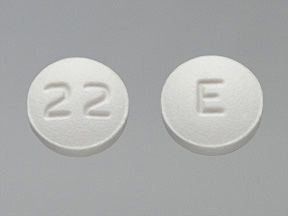
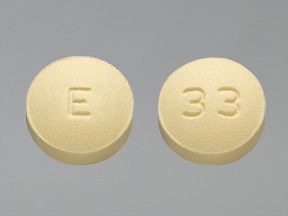
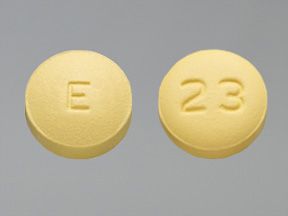
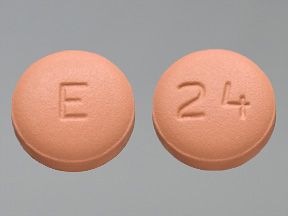
You’ll take topiramate oral tablets by mouth.
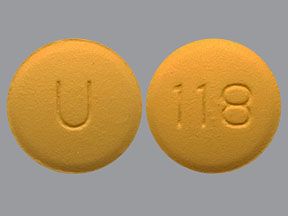
Topiramate oral tablets are immediate-release tablets. This means their active ingredient gets released into your body shortly after you swallow them.
Topiramate also comes in other forms that are all taken by mouth. These forms include:
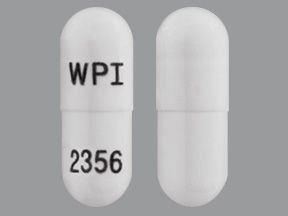
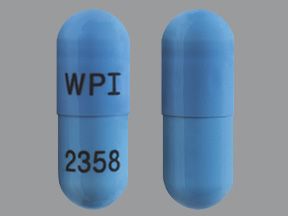
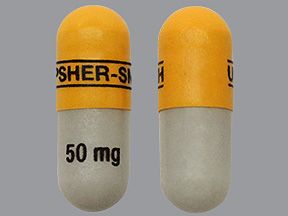
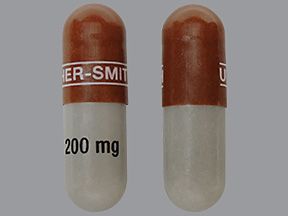
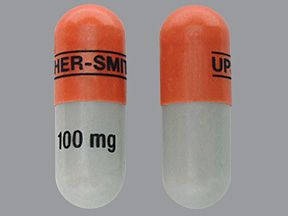
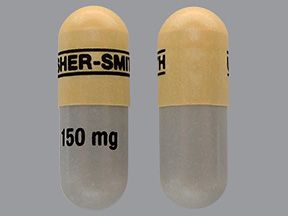
- immediate-release sprinkle capsules
- extended-release sprinkle capsules
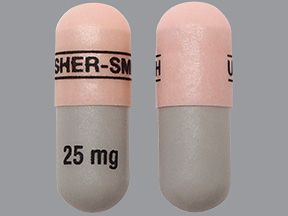
- extended-release capsules
Sprinkle capsules are designed to be used by people who have trouble swallowing. The contents of these capsules can be easily sprinkled on foods or in drinks.
Extended-release forms slowly release their active ingredient over a longer period of time than immediate-release forms do.
This article only describes topiramate oral tablets. If you’d like to learn about topiramate’s other forms, talk with your doctor or pharmacist.
Topiramate oral tablet brand-name versions
Topiramate oral tablets are a generic medication that contains the active drug topiramate. This active drug is also available as the brand-name medication Topamax.
In general, generic drugs usually cost less than brand-name drugs.
Note: The other forms of topiramate, besides oral tablets, have other brand-name versions. To learn about those other versions, talk with your doctor or pharmacist.
Topiramate is a generic drug, which means it’s an exact copy of the active drug in a brand-name medication. The brand-name medication that topiramate oral tablets are based on is called Topamax.
Generic drugs are thought to be as safe and effective as the brand-name drug they’re based on. In general, generics usually cost less than brand-name drugs do.
If you’d like to know more about using Topamax instead of topiramate oral tablets, talk with your doctor. Read this Healthline article to learn more about the differences between generic and brand-name drugs.
Like most drugs, topiramate oral tablets may cause mild and serious side effects. The lists below describe some of the more common side effects that topiramate oral tablets may cause. These lists don’t include all possible side effects.
Keep in mind that side effects of a drug can depend on:
- your age
- other health conditions you have
- other medications you may be taking
Your doctor or pharmacist can tell you more about the potential side effects of topiramate oral tablets. They can also suggest ways to help reduce side effects.
Mild side effects
Here’s a short list of some of the mild side effects that topiramate oral tablets can cause. To learn about other mild side effects, talk with your doctor or pharmacist, or read topiramate oral tablet’s prescribing information.
Side effects might differ slightly between people with seizure disorders and people with migraine headaches. Mild side effects of topiramate oral tablets that have been reported include:
- tingling in your arms and legs
- reduced appetite
- weight loss
- nausea
- changes in taste
- diarrhea
- problems with speaking
- trouble with your memory
- fatigue (lack of energy)
- dizziness
- sleepiness
- slowed reactions
- reduced sensitivity to touch on your skin
- nervousness
- belly pain
- upper respiratory tract infection, such as the common cold
- fever
- hair loss
Mild side effects of many drugs may go away within a few days or a couple of weeks. But if they become bothersome, talk with your doctor or pharmacist.
Serious side effects
Serious side effects from topiramate oral tablets can occur, but they aren’t common. If you have serious side effects from topiramate oral tablets, call your doctor right away. But if you think you’re having a medical emergency, call 911 or your local emergency number.
Serious side effects of topiramate oral tablet that have been reported include:
- increased acid level in your blood
- increased ammonia level in your blood
- decreased sweating that can lead to fever
- problems with thinking, memory, attention, and reaction
- suicidal thoughts or actions
- severe skin reactions, which may cause blistering and peeling skin
- kidney stones
- eye or vision problems
- slowed growth in weight and height and decreased bone mineral density in children
Allergic reactionSome people may have an allergic reaction to topiramate oral tablets. There weren’t any reports of allergic reaction in studies of the drug, but it’s still possible.
Symptoms of a mild allergic reaction can include:
- rash
- itchiness
- flushing (temporary warmth, redness, or deepening of skin color)
A more severe allergic reaction is rare but possible. Symptoms of a severe allergic reaction can include swelling under your skin, typically in your eyelids, lips, hands, or feet. They can also include swelling of your tongue, mouth, or throat, which can cause trouble breathing.
Call your doctor right away if you have an allergic reaction to topiramate oral tablets. But if you think you’re having a medical emergency, call 911 or your local emergency number.
If you have migraine headaches or certain types of seizures, your doctor may prescribe topiramate.
It’s a prescription medication that’s used in adults and some children to:
- treat certain types of seizures
- help prevent migraine headaches
Topiramate for seizures
Topiramate is used to treat certain types of seizures in adults and children ages 2 years and older. These types of seizures include:
- Partial onset seizures. Also called a focal onset seizure, this is a seizure that begins in one half of your brain. During a partial onset seizure, you may be aware of what’s happened, or you may lose consciousness (pass out).
- Generalized tonic-clonic seizures. This type of generalized onset seizure involves both sides of your brain. “Tonic” describes sudden muscle stiffness that happens, and “clonic” refers to repeated jerking movements that occur. With a generalized tonic-clonic seizure, you’ll lose consciousness and you likely won’t remember the seizure afterward.
- Seizures related to Lennox-Gastaut syndrome. Lennox-Gastaut syndrome is a rare but severe condition that can affect young children.
A seizure is a burst of uncontrolled electrical signals between brain cells. It causes temporary but abnormal changes in your muscle movements, sensations, or level of awareness.
To treat partial onset and generalized tonic-clonic seizures, topiramate can be used by itself or in combination with other drugs. For seizures related to Lennox-Gastaut syndrome, topiramate treatment is only approved in combination with other drugs.
If excessive or inappropriate signals are sent in your brain, they could lead to seizures. Topiramate works by helping prevent your nerve cells from sending these inappropriate signals.
Topiramate for migraine headaches
Topiramate is used to help prevent migraine headaches in adults and children ages 12 years and older.
A migraine headache isn’t the same thing as a severe headache. Migraine is a neurological condition that causes multiple symptoms. Symptoms may include:
- intense headache
- nausea
- vomiting
- sensitivity to light and sound
Topiramate doesn’t treat migraine headaches while they’re happening. Instead, it only helps to prevent them from occurring.
If excessive or inappropriate signals are sent in your brain, they could lead to migraine headache. Topiramate works by helping prevent your nerve cells from sending these inappropriate signals.
Find answers to some commonly asked questions about topiramate oral tablets.
Is topiramate used for weight loss? If so, how do you take it and what’s the dosage?
Topiramate oral tablets aren’t approved for use as a weight-loss drug. But some people lose weight as a common side effect of topiramate.
Topiramate oral tablets are sometimes used together with phentermine for weight loss. But this is an off-label use for topiramate. (With off-label use, a drug that’s approved for certain conditions is used for another purpose.)
However, a brand-name prescription medication called Qsymia contains both phentermine and extended-release topiramate. (“Extended release” means the drug is slowly released into your body over a long period of time.) This drug is FDA approved for weight loss.
For more information about medication options for weight loss, talk with your doctor.
Is topiramate used to treat bipolar disorder, anxiety, or pain?
Topiramate is sometimes used off-label to treat bipolar disorder, anxiety, pain, and other conditions. (With off-label use, a drug that’s approved for certain conditions is used for another purpose.)
One older
Bipolar disorder is usually treated with drugs known as mood stabilizers. Topiramate isn’t a mood stabilizer. Instead, it’s considered an antiepileptic drug.
If you’d like more information about off-label uses for topiramate, talk with your doctor.
How does topiramate work? And what’s its half-life?
Topiramate works inside your brain. Its mechanism of action is to interfere with signals that your brain cells use to communicate with the rest of your body.
If excessive or inappropriate signals are sent, they could lead to seizures or migraine headaches. Topiramate works by helping prevent your nerve cells from sending these inappropriate signals.
The average half-life of topiramate oral tablets is around 21 hours. (A drug’s half-life is the time needed for half of a dose of a drug to be cleared from your body.)
It generally takes five half-lives for a drug to be fully cleared out of your system. So, topiramate oral tablets will be cleared from your body about 5 days after you stop taking them.
Does stopping topiramate cause withdrawal?
Suddenly stopping topiramate doesn’t lead to withdrawal. But doing so could cause your seizures or migraine headaches to return. And they could be severe for you.
Stopping topiramate suddenly could also increase your risk for seizures, even if you haven’t had a seizure before.
Before stopping this drug, first talk with your doctor to decide whether you should stop taking it.
Your doctor may give instructions to you on how to gradually reduce your dose before stopping the drug altogether. They may also recommend a different medication to replace topiramate, depending on your condition.
Is topiramate a controlled substance? Will it make me feel ‘high’?
No, topiramate isn’t a controlled substance. And it isn’t known to cause a “high” feeling like some controlled drugs do.
The use of controlled drugs is regulated by the federal government. These drugs carry a higher risk of misuse or dependence than other drugs do. (With misuse, a drug is taken in a way other than how it’s prescribed. And with dependence, your body needs the drug in order for you to feel usual.)
Your doctor will explain how you should take topiramate oral tablets. They’ll also explain how much to take and how often. Be sure to follow your doctor’s instructions. Below are commonly used dosages, but always take the dosage your doctor prescribes.
Taking topiramate oral tablet
You’ll take topiramate oral tablets by mouth.
Topiramate oral tablets are immediate-release tablets. This means their active drug gets released into your body shortly after you swallow them.
Dosage
The dosage of topiramate that your doctor prescribes for you depends on:
- your age
- your body weight, in children taking the drug
- the reason you’re taking topiramate
- any other medications you’re taking
- any other health conditions you may have
Your doctor will likely start you taking a low dosage of topiramate. Then, they’ll slowly increase it over time, until they find the lowest dosage that’s effective for your condition.
The usual dosage of topiramate for migraine prevention is 50 mg taken twice a day. And the usual dosage of topiramate for seizures is 200 mg taken twice a day.
If you have questions about your dosage of topiramate oral tablets, talk with your doctor or pharmacist.
Taking topiramate oral tablet with other drugs
To treat certain types of seizures, topiramate oral tablet is used in combination with other medications that treat seizures. These drugs belong to a group of medications called antiepileptic drugs (AEDs).
Some examples of other commonly prescribed AEDs include:
- carbamazepine (Tegretol, Carbatrol, Epitol, Equetro)
- divalproex (Depakote)
- lamotrigine (Lamictal)
- levetiracetam (Keppra)
- oxcarbazepine (Trileptal, Oxtellar XR)
- phenytoin (Dilantin, Phenytek)
Questions about taking topiramate oral tablet
Below, we review some common questions about taking topiramate oral tablets.
- What if I miss a dose of topiramate oral tablets? It depends on how much time remains until your next scheduled dose. If your next dose is more than 6 hours away, take your missed dose as soon as possible. But if there are 6 hours or less until your next dose is due, just skip the missed dose. Don’t take a double dose to make up for the missed dose.
- Will I need to use topiramate oral tablets long term? Topiramate oral tablets are meant to be a long-term treatment. If you and your doctor decide that topiramate is safe and effective for your condition, you’ll most likely take it long term.
- Can topiramate oral tablets be chewed, crushed, or split? Due to their bitter taste, topiramate oral tablets should not be broken, chewed, or crushed. Instead, these tablets should be swallowed whole.
- Should I take topiramate oral tablets with food? You can take topiramate oral tablets with or without food. It’s best to avoid a ketogenic diet (a diet high in fat and low in carbs) while you’re taking topiramate. This is because following a ketogenic diet could increase your risk for side effects from topiramate. These side effects include kidney stones and metabolic acidosis (high acid level in your blood).
- How long do topiramate oral tablets take to work? When you start taking topiramate oral tablets, your doctor will prescribe a low dose. Then, your dose will be slowly increased over the first few weeks of treatment. During this time, the drug’s levels are slowly building up in your system. So, it may take a few weeks or a month for you to notice an improvement in your condition.
Overdose
Don’t take more topiramate oral tablets than your doctor prescribes. Taking more than this can lead to serious side effects, including, in some cases, death.
Symptoms caused by an overdose of topiramate oral tablets may include:
- convulsions
- extreme drowsiness
- trouble speaking
- blurry or double vision
- feeling dazed or confused
- clumsiness or problems with coordination
- low blood pressure
- belly pain
- feeling agitated or restless
- dizziness
- depression
- metabolic acidosis (high level of acid in your blood), which can cause abnormal heartbeat, shortness of breath, or loss of appetite
What to do in case you take too much topiramate oral tablet
Call your doctor if you think you’ve taken too many topiramate oral tablets. You can also call 800-222-1222 to reach America’s Poison Centers or use its online resource. But if you have severe symptoms, immediately call 911 (or your local emergency number) or go to the nearest emergency room.
Before starting treatment with topiramate oral tablets, be sure to talk with your doctor about a few important considerations. These include your current and past health conditions, current medications, and any health goals that you have.
Interactions
Taking medications, vaccines, foods, and other things with a certain drug can affect how the drug works. These effects are called interactions.
Before taking topiramate oral tablets, be sure to tell your doctor about all medications you take, including prescription and over-the-counter types. Also describe any vitamins, herbs, or supplements you use. Your doctor or pharmacist can tell you about any interactions these items may cause with topiramate oral tablets.
Interactions with drugs
Topiramate oral tablet can interact with several types of drugs. These drugs include:
- contraceptive drugs that contain estrogen, such as:
- certain other seizure medications, such as:
- carbamazepine (Tegretol)
- phenytoin (Dilantin)
- central nervous system depressants (drugs or substances that slow down the activity of your brain and spinal cord), such as:
- alcohol
- opioid pain relievers, such as oxycodone
- benzodiazepines, such as alprazolam (Xanax)
- sedatives, such as zolpidem (Ambien)
- certain medications used to treat mental health conditions, such as lithium
This list does not contain all types of drugs that may interact with topiramate oral tablets. Your doctor or pharmacist can tell you more about these interactions and any others that may occur with use of topiramate oral tablets.
Note: Topiramate can decrease the effectiveness of birth control drugs that contain estrogen. (Ethinyl estradiol is a form of estrogen that’s often an active ingredient in birth control pills, patches, or rings.) If you become pregnant while you’re taking topiramate, you’ll have an increased risk of fetal development problems or low birth weight. If you’re able to become pregnant, talk with your doctor about effective birth control options before taking topiramate.
Other interactions
Topiramate oral tablets can interact with supplements. The drug can also be affected by your diet.
Interactions with supplements
There aren’t any specific interactions known to occur between herbal supplements and topiramate oral tablets.
But some herbal supplements may have central nervous system depressant effects. (They can slow down the activity of your brain or nerves.) Topiramate works by reducing the activity of your brain. So, using topiramate with other treatments that do this may reduce your brain activity too much. And this can lead to adverse effects.
It’s important to ask your doctor or pharmacist before taking any herbs or dietary supplements while you’re taking topiramate.
Interactions with foods
There aren’t any specific foods that are known to interact with topiramate oral tablets.
But while you’re taking topiramate it’s best to avoid the ketogenic diet (a high fat, low carb diet). The ketogenic diet could increase your risk for kidney stones with topiramate. It also increases your risk for metabolic acidosis (high acid level in your blood).
It’s also important to stay well-hydrated while you’re taking topiramate. Drinking plenty of fluids with this medication can reduce your risk for kidney stones.
Warnings
Topiramate oral tablets may not be right for you if you have certain medical conditions or other factors that affect your health. Talk with your doctor about your health history before you take topiramate oral tablets. Factors to consider include those in the list below.
- Kidney disease or kidney stones. If you’ve had kidney stones or other kidney problems, you could have a higher risk for kidney stones with topiramate. You could also have an increased risk for metabolic acidosis (high acid level in your blood). If you’ve had kidney stones or other kidney problems, your doctor may recommend a different treatment option for your condition. Or they may check certain blood tests during your treatment to monitor your acid level and kidney health.
- Liver problems. If you’ve had liver problems, topiramate may increase your risk for having a high level of ammonia in your blood. Your doctor may use certain blood tests during your treatment to monitor your liver health and ammonia level.
- Glaucoma or other eye problems. Topiramate can possibly cause eye and vision problems, including glaucoma (increased pressure in your eye). If you already have glaucoma or other eye problems, taking this drug could worsen your condition. Your doctor may recommend having your eyes monitored more carefully during treatment with topiramate.
- Breathing problems. If you have a history of any breathing or lung problems, these conditions may increase your risk for metabolic acidosis. Because topiramate can also cause metabolic acidosis, you may have an increased risk for this side effect.
- Suicidal thoughts or behaviors. Taking topiramate may raise your risk for suicidal thoughts or behaviors. If you’ve had suicidal thoughts or behaviors, depression, or mood problems, your doctor may monitor you more closely while you’re taking topiramate.
- Weak or soft bones. If you’ve had bone problems, such as osteoporosis, topiramate treatment could possibly make your condition worse. This can further weaken your bones and increase your risk of broken bones. Your doctor may recommend certain tests to monitor your acid levels and bone health if they prescribe topiramate for you.
- Ketogenic diet. Following a ketogenic diet (a high fat, low carb diet) isn’t recommended while you’re taking topiramate. This diet could increase your risk for kidney stones with topiramate. It could also increase your risk for metabolic acidosis. If you follow a ketogenic diet, talk with your doctor about other treatment or diet options.
- Allergic reaction. If you’ve had an allergic reaction to topiramate oral tablets or any of their ingredients, you shouldn’t take topiramate oral tablets. Ask your doctor whether any other medications may be better options for you.
Help is out there
If you or someone you know is in crisis and considering suicide or self-harm, please seek support:
- Call or text the 988 Suicide and Crisis Lifeline at 988 or chat at 988lifeline.org. Caring counselors are available to listen and provide free and confidential support 24/7.
- Text HOME to the Crisis Text Line at 741741 to connect with a volunteer crisis counselor for free and confidential support 24/7.
- Not in the United States? Find a helpline in your country with Befrienders Worldwide.
- Call 911 or your local emergency services number if you feel safe to do so.
If you’re calling on behalf of someone else, stay with them until help arrives. You may remove weapons or substances that can cause harm if you can do so safely.
If you’re not in the same household, stay on the phone with them until help arrives.
Use with alcohol
Drinking alcohol isn’t recommended while you’re taking topiramate oral tablets. Alcohol can increase your risk for certain side effects of topiramate, such as:
- nausea
- diarrhea
- problems with speaking, confusion, or memory
- dizziness
- sleepiness
- slowed reactions
Additionally, an interaction between topiramate and alcohol could increase your risk for serious side effects. These include:
- slowed breathing
- loss of consciousness
- coma
- rarely, death
If you have questions about alcohol use with topiramate, talk with your doctor.
Pregnancy and breastfeeding
It’s recommended that you don’t use topiramate oral tablets during pregnancy.
This is because taking topiramate during pregnancy can be harmful. Studies show that babies born to people who took topiramate during pregnancy had an increased risk for:
- a development problem known as cleft lip or cleft palate
- low birth weight, which can cause breathing problems and other health concerns
If you’re pregnant or planning to become pregnant, talk with your doctor about the safety of topiramate oral tablets.
If you take topiramate while breastfeeding, this drug will pass into your breast milk. This means that the drug can affect a child who’s breastfed.
There have been reports of diarrhea and excessive sleepiness in children who were breastfed whose mothers took topiramate.
If you’re breastfeeding or planning to breastfeed, discuss the risks and benefits with your doctor.
Whether you have health insurance or not, cost may be a factor when you’re considering topiramate. What you’ll pay for topiramate may depend on several things, such as your treatment plan and the pharmacy you use.
Here are a few things to consider regarding cost:
- Cost information and savings coupons: You can visit Optum Perks for price estimates of topiramate. These estimates are based on the use of Optum Perks coupons. Note: Optum Perks coupons cannot be used with insurance copays or benefits.
- Financial assistance: Medicine Assistance Tool and NeedyMeds are two websites that provide resources to help reduce the cost of topiramate oral tablets. These websites also offer tools to help you find low cost healthcare and certain educational resources. To learn more, visit their websites.
Q:
I’m interested in trying topiramate oral tablet because I have severe, frequent migraine headaches. I’ve also been struggling to lose weight over the last few years despite dieting and exercising. Could topiramate oral tablet help me with both of these health issues?
Anonymous patientA:
Topiramate oral tablets don’t treat migraine headaches while they’re happening. Instead, the tablets only help to prevent migraine headaches from occurring.
Additionally, topiramate oral tablets aren’t approved for use as a weight-loss drug. But some people lose weight as a common side effect of topiramate.
If you’d like to know more about the approved uses and dosages of topiramate oral tablets, talk with your doctor. They’ll help you decide if this treatment option is best for you.
Neal Patel, PharmDAnswers represent the opinions of our medical experts. All content is strictly informational and should not be considered medical advice.Disclaimer: Healthline has made every effort to make certain that all information is factually correct, comprehensive, and up-to-date. However, this article should not be used as a substitute for the knowledge and expertise of a licensed healthcare professional. You should always consult your doctor or other healthcare professional before taking any medication. The drug information contained herein is subject to change and is not intended to cover all possible uses, directions, precautions, warnings, drug interactions, allergic reactions, or adverse effects. The absence of warnings or other information for a given drug does not indicate that the drug or drug combination is safe, effective, or appropriate for all patients or all specific uses.