Key takeaways
- Wegovy is used to help with weight loss, lower risk of cardiovascular problems, and treat a liver condition called metabolic dysfunction-associated steatohepatitis (MASH).
- Common side effects of Wegovy include gastrointestinal side effects such as nausea, vomiting, diarrhea, and constipation. These side effects may go away as your body gets used to the drug.
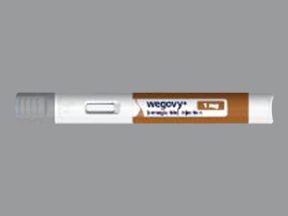
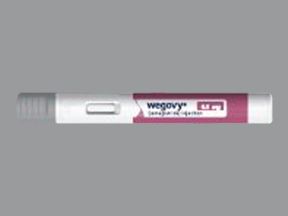
- Wegovy comes as a weekly injection that you can typically self-inject, using a prefilled single-dose injection pen. It also comes as a pill that you can take daily.
Wegovy is recommended with exercise and a low calorie diet to:
- reduce the risk of cardiovascular problems (such as heart attack and stroke) and death in adults with cardiovascular disease who are overweight or have obesity
- help with weight loss and long-term weight management in:
- adults and children 12 years and older who have obesity
- adults who are overweight and have a health condition that’s related to weight
- treat MASH (buildup of fatty tissue in and around the liver) in adults with moderate to advanced liver scarring (not cirrhosis)
Wegovy basics
Wegovy contains the active ingredient semaglutide. It belongs to a group of drugs called glucagon-like peptide-1 (GLP-1) receptor agonists.
Wegovy is a brand-name medication that isn’t currently available as a generic.
How does Wegovy work?
Wegovy works by reducing your appetite and slowing down the rate at which food moves from your stomach to your intestines. This can help you feel full for longer and also reduce your blood sugar levels. See this How Wegovy Works article for more information.
Like most drugs, Wegovy may cause mild or serious side effects. The following lists describe some of the more common side effects of Wegovy. These lists don’t include all possible side effects.
Keep in mind that side effects of a drug can depend on:
- your age
- other health conditions you have
- other medications you take
Your doctor or pharmacist can tell you more about the potential side effects of Wegovy. They can also suggest ways to help reduce side effects.
Mild side effects
Here’s a list of some of the mild side effects that Wegovy can cause. To learn about other mild side effects, talk with your doctor or pharmacist or read Wegovy’s prescribing information.
Mild side effects of Wegovy that have been reported include:
- bloating or abdominal pain
- dizziness
- gas or excessive burping
- headache
- indigestion, heartburn, or gastroesophageal reflux disease (GERD)
- fatigue
- stomach flu
- vomiting
- constipation, diarrhea, or nausea
Mild side effects of many drugs may go away within a few days to a couple of weeks. But if they become bothersome, talk with your doctor or pharmacist.
Serious side effects
Serious side effects from Wegovy can occur, but they aren’t common. If you have serious side effects from Wegovy, call your doctor right away. But if you think you’re having a medical emergency, you should call 911 or your local emergency number.
Serious side effects of Wegovy that have been reported include:
- gallbladder problems, including gallstones or gallbladder inflammation
- increased heart rate
- low blood sugar
- pancreatitis (inflammation of your pancreas)
- kidney injury caused by severe dehydration
- severe gastrointestinal problems such as nausea, vomiting, or diarrhea
- eye problems in people with type 2 diabetes
- low blood pressure
- appendicitis
- increased risk of fractures
- mood changes, including depression and suicidal thoughts and behaviors
- boxed warning: risk of thyroid cancer
Allergic reactionSome people may have an allergic reaction to Wegovy. Allergic reactions weren’t reported in studies of Wegovy, but they have occurred since the drug was approved.
Symptoms of a mild allergic reaction can include:
- skin rash
- itchiness
- flushing (temporary warmth, redness, or deepening of skin color)
A more severe allergic reaction is rare but possible. Symptoms of a severe allergic reaction can include swelling under your skin, typically in your eyelids, lips, hands, or feet. They can also include swelling of your tongue, mouth, or throat, which can cause trouble breathing.
Call your doctor right away if you have an allergic reaction to Wegovy. But if you think you’re having a medical emergency, call 911 or your local emergency number.
Whether you have health insurance or not, cost may be a factor when you’re considering Wegovy. Wegovy’s cost may depend on several things, such as your treatment plan and the pharmacy you use.
If you have questions about how to cover Wegovy medication costs, such as the price for the 2.4-milligram (mg) strength, talk with your doctor or pharmacist. You can also learn more about saving on your prescriptions.
Wegovy is not available as a generic drug. Generics usually cost less than brand-name drugs.
You may be able to find drug coupons on prescription discount websites that can reduce the cost of your medication. These coupons cannot be used with insurance copays or benefits, but the discounted price may be lower than what you would pay through insurance.
What does Wegovy cost with insurance?
In general, you’ll pay less for Wegovy with insurance than without insurance. But the actual cost will vary depending on your insurance plan, the number of injection pens you buy, and other factors.
Talk with your pharmacist or insurance company to find out the exact price you’ll pay for Wegovy with insurance.
Wegovy is approved by the Food and Drug Administration to treat the following conditions.
Note: Doctors don’t prescribe Wegovy with other GLP-1 receptor agonists or other drugs that contain semaglutide (Wegovy’s active ingredient). Examples include the diabetes medications Rybelsus and Ozempic.
Wegovy for weight loss and weight management
Wegovy is used with exercise and a low calorie diet for long-term weight loss and weight management in:
- adults and children 12 years and older who have obesity
- adults who are overweight and have a health condition that’s related to weight, such as high blood pressure, type 2 diabetes, obstructive sleep apnea, or high cholesterol
Wegovy helps with long-term weight loss by regulating your body’s appetite and the amount of calories you consume.
Wegovy for reducing cardiovascular risks
Wegovy is used with exercise and a low calorie diet to help reduce the risk of cardiovascular (heart and blood vessel) problems, such as heart attack and stroke, and death. For this purpose, it’s used in adults with cardiovascular disease who are overweight or have obesity.
Wegovy works by reducing your appetite and reducing your blood glucose (sugar) levels. It can also help with weight loss. Over time, these effects can lower your risk of cardiovascular problems.
Wegovy for MASH
Wegovy is used with exercise and a low calorie diet to treat metabolic dysfunction-associated steatohepatitis (MASH). With this condition, there’s a buildup of fatty tissue in the liver. MASH can eventually cause liver tissue to scar, which is known as cirrhosis.
Wegovy is used in adults who have moderate to advanced liver fibrosis, not cirrhosis. Fibrosis is liver scarring that is less advanced than cirrhosis.
Wegovy’s effects on metabolism can help lower liver inflammation and keep liver scarring from getting worse. Specifically, Wegovy helps to reduce appetite and blood sugar, and helps with weight loss. These effects can help reduce or slow fat buildup in the liver.
Note: For this use, Wegovy has received accelerated approval from the Food and Drug Administration (FDA). This means its approval for MASH is based on information from early studies. The FDA will decide on full approval after more studies are completed.
Find answers to some commonly asked questions about Wegovy.
Ozempic
Trulicity
Victoza
glucagon-like peptide-1 (GLP-1) receptor agonists
MASH
type 2 diabetes
Ozempic vs. Wegovy
Saxenda
Phentermine
Saxenda vs. Wegovy
Wegovy vs. phentermine
refrigerate Wegovy pens
Check out this Ozempic vs. Wegovy article to learn how these drugs compare. These medications contain the same active ingredients, and they have some similar uses and some different ones. Be sure to talk with your doctor about which drug is right for you.
Your doctor will recommend the dosage of Wegovy that’s right for you. The table below describes commonly used dosages but always follow the dosage your doctor prescribes.
| Strengths | Starting dosage | Maintenance dosage | |
|---|---|---|---|
| Wegovy injection | • 0.25 milligrams per 0.5 milliliters of solution (0.25 mg/0.5 mL) • 0.5 mg/0.5 mL • 1 mg/0.5 mL • 1.7 mg/0.75 mL • 2.4 mg/0.75 mL | 0.25 mg once weekly for the first 4 weeks | 2.4 mg (recommended) or 1.7 mg once weekly |
| Wegovy tablet | • 1.5 mg • 4 mg • 9 mg • 25 mg | 1.5 mg once daily for the first 30 days | 25 mg once daily |
Wegovy dosage for children
Wegovy injections are approved for use in children ages 12 years and older with obesity. For this use, the dosage for children is the same as the dosage for adults.
Wegovy tablets are not approved for use in children.
Wegovy overdose
Do not use more Wegovy than your doctor prescribes. Doing so can lead to serious side effect, such as:
- severe nausea
- severe vomiting
- severely low blood sugar, which can cause symptoms such as:
What to do in case you use too much Wegovy
Call your doctor if you think you’ve injected too much Wegovy. You can also call 800-222-1222 to reach America’s Poison Centers, or use its online resource. But if you have severe symptoms, immediately call 911 or your local emergency number. Or go to the nearest emergency room.
Your doctor or another healthcare professional will explain how you should inject Wegovy. They will also explain how much to inject and how often. Be sure to follow your doctor’s instructions.
Using Wegovy pens
Wegovy comes as a liquid solution inside a prefilled single-dose pen. You’ll use the pen to inject Wegovy under your skin in your abdomen or the front of your thigh, usually once per week. Someone else, such as a caregiver, can also inject Wegovy into your upper arm.
You should safely dispose of Wegovy pens in a
Wegovy’s manufacturer provides detailed instructions for use and storage. You can also refer to this article about where and how to inject Wegovy.
Taking Wegovy tablets
Wegovy comes as a tablet that you’ll take at the start of your day. It’s important to take Wegovy tablets on an empty stomach.
Wegovy’s manufacturer recommends taking the tablet with a small amount of water (no more than 4 ounces). Then, you should wait at least 30 minutes before eating a meal, drinking any beverages, or taking another medication that you swallow.
Wegovy tablets should be swallowed whole. It’s important not to split, crush, or chew them.
There are important considerations to discuss with your doctor before you begin treatment with Wegovy. It’s important that you tell your doctor about your overall health and any medical conditions you may have.
You should also tell your doctor and pharmacist about all medications you take. They’ll check for any interactions with Wegovy.
Interactions with drugs or supplements
Wegovy can interact with several types of drugs. These include certain diabetes drugs, such as:
- sulfonylureas, like glipizide (Glucotrol XL) and glimepiride (Amaryl)
- insulins, like insulin degludec (Tresiba) and insulin glargine (Basaglar)
If you’re taking insulin or a sulfonylurea drug with Wegovy, you may have an increased risk of severe hypoglycemia (low blood sugar). You should monitor your blood sugar levels as often as your doctor recommends. Also, make sure that you know the symptoms of hypoglycemia.
Drugs that you swallow (including tablets, capsules, and liquid solutions) might also interact with Wegovy. Wegovy can make these drug forms less effective.
If you’re taking any of these drugs, your doctor might adjust your treatment plan before you start Wegovy. For example, your doctor may reduce your dosage of sulfonylurea medication or insulin if you take either with Wegovy.
This list does not contain all types of drugs that may interact with Wegovy. Your doctor or pharmacist can tell you more about these interactions and any others that may occur with the use of Wegovy.
Boxed warning
Wegovy has a boxed warning about the risk of thyroid cancer. A boxed warning is the most serious warning from the Food and Drug Administration (FDA) about drug effects that may be dangerous.
Semaglutide, the active ingredient in Wegovy, increased the risk of cancerous thyroid tumors in animal studies. It’s not known whether this risk is also increased in humans.
Symptoms of a thyroid tumor may include:
- trouble swallowing
- hoarse voice
- lump or swelling in your neck
- shortness of breath
Due to this risk, doctors usually will not prescribe Wegovy if you have a personal or family history of medullary thyroid carcinoma (a type of thyroid cancer). They also typically won’t prescribe Wegovy if you have multiple endocrine neoplasia syndrome type 2. This is a genetic (inherited) disorder of the endocrine system that may cause thyroid cancer.
Other warnings
Wegovy may not be right for you if you have certain medical conditions or other factors that affect your health. Talk with your doctor about your health history before you use Wegovy. Factors to consider include those in the following list:
- history of sudden kidney injury or chronic dehydration
- pancreas problems
- type 2 diabetes or diabetic retinopathy
- history of suicidal thoughts or behaviors
- upcoming surgeries or procedures
- history of delayed stomach emptying
- gallbladder problems
- previous allergic reaction to Wegovy or a similar drug
- pregnancy or breastfeeding
Help is out there
If you or someone you know is in crisis and considering suicide or self-harm, please seek support:
- Call or text the 988 Suicide and Crisis Lifeline at 988 or chat at 988lifeline.org. Caring counselors are available to listen and provide free and confidential support 24/7.
- Text HOME to the Crisis Text Line at 741741 to connect with a volunteer crisis counselor for free and confidential support 24/7.
- Not in the United States? Find a helpline in your country with Befrienders Worldwide.
- Call 911 or your local emergency services number if you feel safe to do so.
If you’re calling on behalf of someone else, stay with them until help arrives. You may remove weapons or substances that can cause harm if you can do so safely.
If you’re not in the same household, stay on the phone with them until help arrives.
Talk with your doctor or pharmacist if you’re considering treatment with Wegovy. You can ask questions that help you feel comfortable about the risks and benefits of Wegovy treatment. Some examples to help you get started are:
- Does my medical history put me at a higher risk of side effects if I use Wegovy?
- Will I have withdrawal symptoms if I stop treatment with Wegovy?
- What type of diet and exercise changes do you recommend for me during Wegovy treatment?
To learn more about Wegovy, see these articles:
- Wegovy Dosing Guide and Schedule
- Side Effects of Wegovy: What You Need to Know
- How Much Does Wegovy Cost?
- Wegovy: How It’s Used for Weight Loss
- Wegovy and Pregnancy, Breastfeeding, and Birth Control
- Ozempic vs. Wegovy: What You Should Know
- Wegovy vs. Mounjaro: What You Should Know
- Wegovy Interactions: Alcohol, Medications, and Others
Q:
How much weight can I expect to lose if I use Wegovy?
AnonymousA:
Weight loss from Wegovy treatment can vary from person to person.
In one study, most people who took Wegovy lost at least 10% of their body weight. For example, in a person who weighs 200 pounds (lb), losing 10% of their body weight would mean losing 20 lb. A smaller number of people in this study lost at least 15% of their body weight.
To learn more about how much weight people lost in studies of Wegovy, check out the drug’s prescribing information. You can also talk with your doctor about what to expect with Wegovy treatment.
The Healthline Pharmacist TeamAnswers represent the opinions of our medical experts. All content is strictly informational and should not be considered medical advice.Disclaimer: Healthline has made every effort to make certain that all information is factually correct, comprehensive, and up to date. However, this article should not be used as a substitute for the knowledge and expertise of a licensed healthcare professional. You should always consult your doctor or another healthcare professional before taking any medication. The drug information contained herein is subject to change and is not intended to cover all possible uses, directions, precautions, warnings, drug interactions, allergic reactions, or adverse effects. The absence of warnings or other information for a given drug does not indicate that the drug or drug combination is safe, effective, or appropriate for all patients or all specific uses.