Key takeaways
- Xifaxan is prescribed to treat traveler’s diarrhea caused by specific strains of E. coli, irritable bowel syndrome with diarrhea (IBS-D), and to prevent recurring episodes of hepatic encephalopathy.
- The dosage of Xifaxan varies depending on the condition being treated, ranging from short-term use for traveler’s diarrhea and IBS-D to long-term use for hepatic encephalopathy.
- Xifaxan can be taken with or without food and specific dietary restrictions are not required while taking the medication. It’s important to maintain hydration if diarrhea is present.
Xifaxan is a prescription drug that doctors give for the following reasons:
- to treat traveler’s diarrhea caused by the E. coli bacterium* in adults and some children
- to treat IBS-D in adults
- to decrease the recurrence of overt (obvious) episodes of hepatic encephalopathy in adults
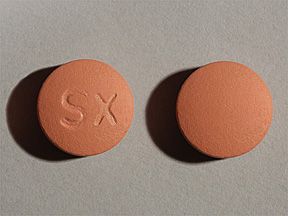
The active ingredient in Xifaxan is rifaximin. (An active ingredient is what makes a drug work.) Xifaxan comes as a tablet that you swallow, and it’s an antibiotic. It’s usually taken 2 to 3 times per day.
This article describes the dosages of Xifaxan, as well as its strengths and how to take it. To learn more about Xifaxan, read this in-depth article.
* Xifaxan is only prescribed for traveler’s diarrhea caused by certain kinds of E. coli. This bacterium causes watery diarrhea. If you have bloody diarrhea or a fever, your doctor will not prescribe Xifaxan.
The following table highlights the basics of Xifaxan’s dosage. All doses are listed in milligrams (mg). Always take the dosage your doctor prescribes for you. They’ll determine the best dosage to fit your needs. In some cases, doctors may adjust your dosage from those shown here.
| Condition | Dosage and length of treatment |
| traveler’s diarrhea caused by E. coli bacterium* | 200 mg three times per day for 3 days |
| irritable bowel syndrome with diarrhea | 550 mg three times per day for 14 days |
| hepatic encephalopathy | 550 mg twice per day, prescribed long term |
Xifaxan’s form
Xifaxan comes as a tablet that you swallow.
Xifaxan strength
Xifaxan tablets come in two strengths: 200 mg and 550 mg.
The prescribed Xifaxan dosage may vary depending on the condition it’s being used to treat. Always follow your doctor’s instructions. Notify them if you experience any side effects that may prevent you from taking your medication.
Dosage for traveler’s diarrhea
If you develop traveler’s diarrhea, your doctor may prescribe Xifaxan. The dosage is 200 mg three times per day for 3 days.
Xifaxan is prescribed when the cause of the diarrhea is believed to be a bacterial infection with noninvasive E. coli. This bacterium causes watery diarrhea. If you have bloody diarrhea or a fever, your doctor will recommend a different treatment.
Dosage for irritable bowel syndrome (IBS)
If you have IBS with diarrhea, your doctor may prescribe 550 mg of Xifaxan for you to take three times per day for 14 days. If your symptoms return, your doctor may have you repeat this 14-day treatment up to two times.
Dosage for hepatic encephalopathy
If you’ve experienced hepatic encephalopathy from liver disease, your doctor may prescribe Xifaxan to reduce your risk of having more episodes. The recommended dosage is 550 mg of Xifaxan twice per day.
What’s the dosage of Xifaxan for children?
Doctors may prescribe Xifaxan for children ages 12 years and older with traveler’s diarrhea caused by a certain kind of E. coli bacterium. The recommended dosage and length of treatment for children is the same as for adults: 200 mg three times per day for 3 days.
The following are answers to some commonly asked questions about Xifaxan’s dosage.
Should I take my dose of Xifaxan before or after food, or are there any foods to avoid?
You can take Xifaxan before or after food. Food doesn’t affect the amount of Xifaxan your body absorbs. And you do not need to avoid any specific foods while taking Xifaxan.
If you have diarrhea, it’s important to continue to drink fluids to prevent dehydration. Your doctor may suggest you
Is Xifaxan used long term?
Whether Xifaxan is used long term depends on the condition it’s prescribed for.
Xifaxan is usually prescribed as a long-term treatment to decrease the risk of having repeated episodes of hepatic encephalopathy. If you and your doctor determine that Xifaxan is safe and effective for your condition, you’ll likely take it long term.
Xifaxan is used short term for traveler’s diarrhea and irritable bowel syndrome with diarrhea (IBS-D). Doctors prescribe Xifaxan for 3 days to treat traveler’s diarrhea and for 14 days at a time to treat IBS-D.
Can Xifaxan be used for small intestinal bacterial overgrowth (SIBO)? If so, what is the dosage?
Xifaxan is not approved as a treatment for SIBO. But your doctor may prescribe Xifaxan off-label for this use. With off-label use, doctors prescribe a drug for a purpose other than what it’s approved for.
In studies, SIBO resolved in
The drug’s manufacturer doesn’t provide dosage recommendations for unapproved uses. If you’d like to learn more about taking Xifaxan for SIBO, talk with your doctor.
Optum Now is operated by RVO Health. By clicking on this link, we may receive a commission. Learn more.
The dosage of Xifaxan you’re prescribed depends on the type and severity of the condition you’re using the drug to treat.
Your doctor will monitor you more closely if you have severe liver disease or are taking a type of medication called a P-glycoprotein blocker, such as quinidine or cyclosporine.
Xifaxan comes as a tablet that you swallow. It can be taken with or without food.
If you have difficulty swallowing tablets, see this article for tips on how to take this form of medication.
For information on the expiration, storage, and disposal of Xifaxan, see this article.
Accessible drug containers and labels
Some pharmacies provide medication labels that:
- have large print
- use braille
- feature a code you can scan with a smartphone to change the text to audio
Your doctor or pharmacist may be able to recommend pharmacies that offer these accessibility features if your current pharmacy doesn’t.
Let your pharmacist know if you have difficulty opening medication bottles. They may have tips to help, or they may be able to supply Xifaxan in an easy-open container.
Do not take more Xifaxan than your doctor prescribes, as this can lead to harmful effects.
Call your doctor right away if you think you’ve taken too much Xifaxan. You can also call 800-222-1222 to reach America’s Poison Centers or use its online resource. But if you have severe symptoms, immediately call 911 (or your local emergency number) or go to the nearest emergency room.
To learn more about Xifaxan, see these articles:
To get information on different conditions and tips for improving your health, subscribe to any of Healthline’s newsletters. You may also want to check out the online communities at Bezzy. It’s a place where people with certain conditions can find support and connect with others.
Disclaimer: Healthline has made every effort to make certain that all information is factually correct, comprehensive, and up to date. However, this article should not be used as a substitute for the knowledge and expertise of a licensed healthcare professional. You should always consult your doctor or another healthcare professional before taking any medication. The drug information contained herein is subject to change and is not intended to cover all possible uses, directions, precautions, warnings, drug interactions, allergic reactions, or adverse effects. The absence of warnings or other information for a given drug does not indicate that the drug or drug combination is safe, effective, or appropriate for all patients or all specific uses.