














I tried science-backed strategies and supplements to beat afternoon fatigue. Here’s what worked best.
*This article provides general information and is not a substitute for personalized medical advice. Consult a healthcare professional before making significant changes to your diet or routine.
Afternoon slump, that post-lunch dip, hits me around 2:30. My eyelids droop as I type and read, and the yawns start getting louder, stretching my face so my eyes squint shut.
If p.m. fatigue plagues you as well during the hours you’re supposed to be productive, we’ve rounded up research-backed strategies and medically vetted products that might be useful. I’ve tried them all, and here’s why each worked for me.
Naps, during your daily fatigue wave, or before an important task, can be regenerative.
Various studies point to a range of under 20 minutes — or no more than 26 minutes — as optimal for getting rest, a reset, and an energy boost without grogginess (sleep inertia).
| Type | Duration |
|---|---|
| Power nap | 10 to 20 minutes |
| “NASA-style” nap | 20 to 26 minutes |
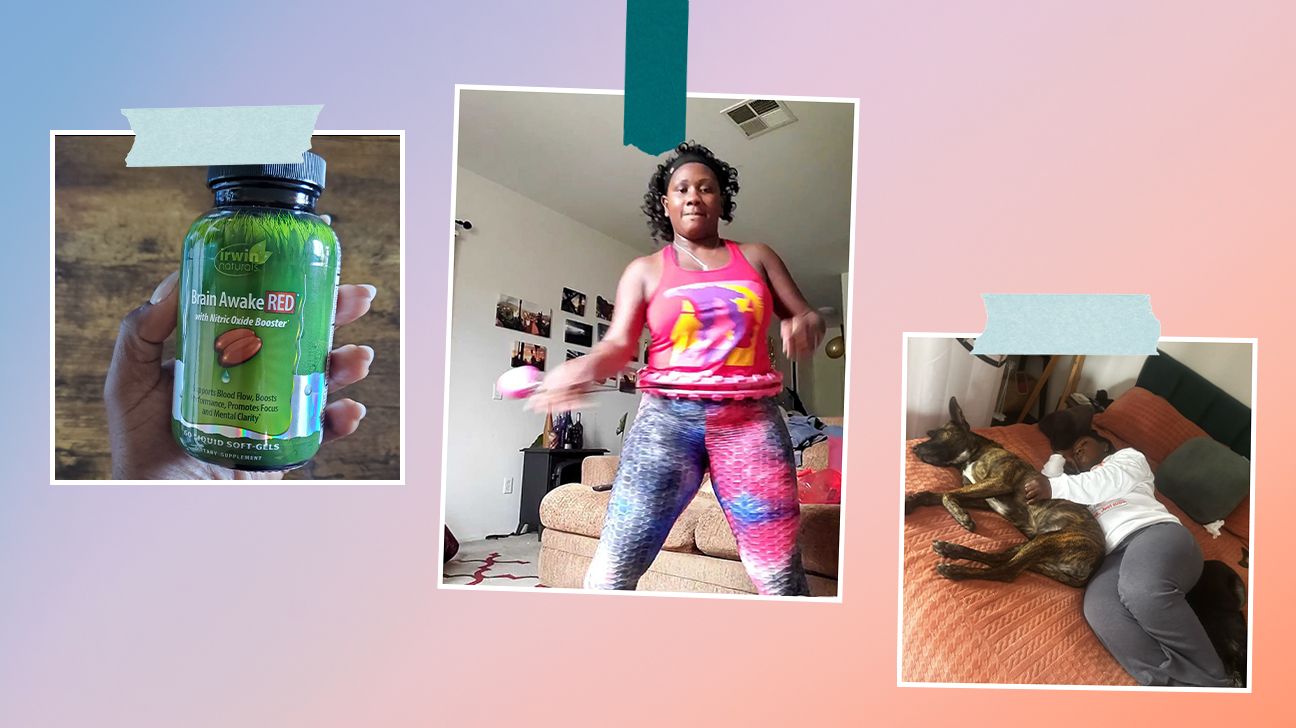
On days when I’ve had a chronic pain episode, where focus eludes me, or I didn’t sleep well the night before, I curl up for a power nap and set my timer for 17 minutes. I use eye masks, earplugs, and employ the health benefits of resting with my dog.
Vitamin B12 has long been the ace in my pocket. It’s found in foods, but you can also supplement for a quick and calorie-free boost, only if a doctor says it’s OK for you and any health conditions you manage.
B12 supports energy production in our cells, and it’s water-soluble, which means that if you have too much, your body will flush it out when you pee.
I prefer under-the-tongue options you can get over-the-counter, since sublingual administration is quicker, bypassing your digestion straight into the bloodstream. We’ve provided three selections of varying potency and delivery.
Note: Vitamin B12 in an injectable dose, such as hydroxocobalamin, can have side effects that usually do not require medical attention, unless you have an allergic reaction to cobalt, which is contained in the injection.
One of the focal points of fighting fatigue is doing something to get the circulation going when you feel like you (and your brain) are walking through mud.
Older
I found that standing or lying on the mat or cervical pillow, bare-skinned, kick-started my circulation in a way that was comfortably uncomfortable.
For me, 10 to 20 minutes after lunch seemed to help me stay awake without yawning through digestion.
Tester Parisa Syed added, “After I used it in the mornings, I did feel more energized than usual. I definitely felt an increase in energy and even a little mood boost after using the mat for 2 minutes.”
Further, participants in a 2015 meta-analysis reported that self-administered reflexology (the practice of applying pressure to trigger points for medicinal benefit) increased their energy and reduced their stress.
I’ve cold-plunged most work days since the Spring of 2024, and I have zero regrets.
A
Why does it work? In an interview with UCLA Health, Dr. Sharon Hame says a dousing of cold water strains your body into a survival mode, where it revs the engine, so to speak, to maintain its core temp by increasing circulation.
Another science tidbit: full-body cold-water immersion kickstarts the sympathetic nervous system (fight-or-flight), which in turn wakes up a brain messenger (noradrenaline) that helps boost energy and quell stress.
Interestingly,
Our editor, Sarah Choi, tested the viral trend of face plunging, aka the “ice water facial,” for a week. She said that while it didn’t give her skin benefits, “… the coldness of the ice water definitely made me feel a boost in energy and alertness.”
So, cold water therapy has benefits. Whether you try a cold shower, an ice-water face-plunge, or a neck-down cold-plunge tub is up to you, what’s available to you, and your bravery.
Sometimes we feel fatigue when returning to or continuing monotonous tasks. Research supports taking a microbreak to exercise or even rest your eyes as very effective in resetting alertness.
One strategy is the 20-20-20 rule for eyestrain. Eyestrain can feel like fatigue. Among other symptoms, it can cause difficulty focusing, general fatigue, and difficulty keeping your eyes open. The idea is easy to remember: For each 20-minute span spent staring at a screen, take a 20-second break and look at something 20 feet away.
Another strategy is the beloved microbreak. Microbreaks are blitzes that break up periods of intense focus to reduce muscle stiffness, energize with quick exercise, or provide a short diversion to reward your brain. The breaks are supposed to be between 1 and 10 minutes throughout your day.
A 2020 study found reductions in fatigue among 232 participants with 1-, 5-, or 9-minute microbreaks.
Here are a few examples I’ve tried for microbreaks:
- weighted hula hoop
- dance break
- take the dog out
- check the mail
- complete an unrelated task, like move laundry from the washer to the dryer, or make a new pot of coffee at the office
- scroll social media just long enough to get one hearty belly laugh
- yoga inversions, like my favorite Legs-Up-The-Wall Pose and its variations
- desk exercises like neck rolls
- box breathing
If a doctor approves supplementation, Irwin Naturals offers a supplement that helps promote alertness, focus, and performance.
Each ingredient was selectively curated for non-jittery wakefulness, optimized blood flow, cognitive function, and boosted performance. Its products are made without binders, fillers, or preservatives.
I’ve used the brand’s regular Brain Awake blend (yellow capsules) on and off for more than 10 years and feel it helps me focus when brain fog, inattention, or fatigue have clouded my productivity.
This RED version, though? Magnificent. It metabolizes faster than the regular version due to the nitric oxide. The first week I tried it was the most productive I’ve had in a long time.
On day one, I spread the three soft gels out throughout the day and still got the yawns between 4 and 4:30 p.m. But on days two and three, I took all 3 around noon, and I was raring to go through 8:30 p.m. with no yawns or slump. I didn’t need my afternoon tea that second day, and I didn’t have the coffee jitters.
One con: Irwin Naturals soft gels are large. But they are coated and go down smoothly. Irwin Naturals also includes MCT oil in the regular Brain Awake Blend and fish oil in Brain Awake RED, which increases the absorption of several supplements and makes them accessible to take without food, if necessary.
Heavy midday meals, the wearing off of morning caffeine, and the lack of mental breaks while working can all add to afternoon fatigue.
By getting your blood flowing with an acupressure mat or a cold plunge to the face or body, taking a power nap, getting B12, or using a supplement blend designed for alertness and focus, you can surf through the afternoon slump and keep productivity going.