














The Fast Facts
- Creatine has been well researched and may improve exercise performance, among other benefits.
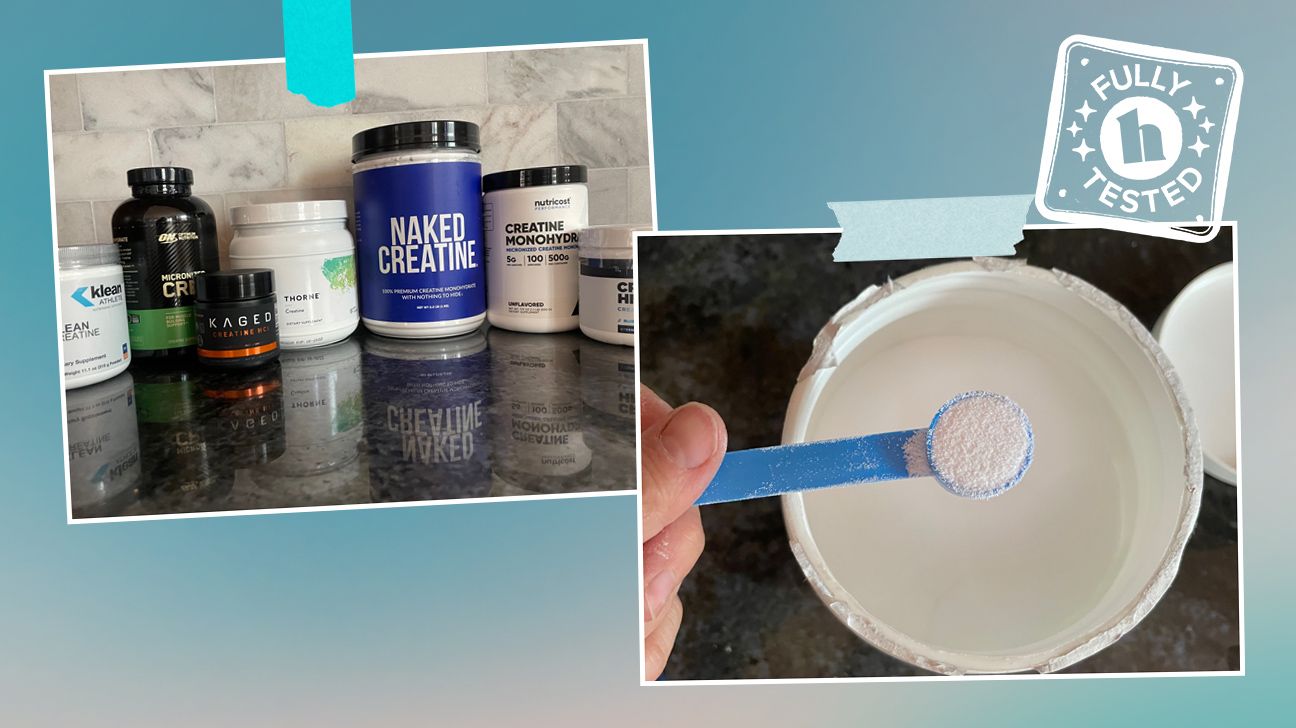
- Our dietitians chose nine creatine supplements, and our testers narrowed the list to the eight best.
- Thorne Creatine is our top choice for the best creatine supplement for women because it’s cost-effective, third-party tested, and dissolves easily in water.
Creatine, a substance naturally found in the body, has been shown to provide
So, what can creatine do specifically for women? While creatine supplements are not gender-specific, they have been
- strength
- exercise performance
- muscle mass
Furthermore,
There is no research suggesting creatine supplements need to be avoided by women, but keep in mind some may contain additional ingredients, such as piperine (the active ingredient in black pepper extract), that should be avoided by pregnant or nursing women or those taking certain medications.
Keep reading for our picks of the eight best creatine supplements for women.
Consult with a healthcare professional before starting any supplement.
• certified gluten-free
We researched the best creatine supplements for women using the following criteria:
- Creatine monohydrate: All the products contain creatine monohydrate, which studies show is the most effective form of creatine.
- Ingredients: We sought products made with high quality ingredients and free from artificial additives.
- Reviews: The products below have mostly positive customer reviews.
Additionally, every brand and product on our list has been vetted to ensure that it aligns with Healthline’s brand integrity standards and approach to well-being. Each product in this article:
- Is compliant with FDA guidelines: Products adhere to allowable health claims and labeling requirements, per FDA regulations, and are manufactured in facilities that adhere to the
current good manufacturing practices (CGMPs) established by the FDA. - Is manufactured by a medically credible company: Brands follow ethical, legal, and industry best standards and provide objective measures of trust, such as having their supplements validated by third-party labs.
Creatine is a naturally occurring substance found in muscle cells that plays an
Creatine supplements have been
- strength
- power
- muscle mass
- anaerobic exercise capacity
The benefits of creatine have been well researched. However, most of that research has involved male participants. Research has also
Available research in women suggests that creatine may:
- increase strength and bone density both before and after menopause
- improve exercise performance
- reduce mental fatigue
- help manage depression
Some
Creatine may also help enhance brain function during periods of sleep deprivation. Researchers note that this may be especially beneficial for women, who are more susceptible to sleep disturbances during pregnancy, postpartum, and menopause.
Creatine side effects for females
Research notes that scientific studies often do not support concerns about creatine’s side effects. Side effects associated with creatine include bloating, water retention, and weight gain.
Overall, research indicates that creatine is well-tolerated among both men and women, and many consumer concerns aren’t supported by scientific studies investigating the effects of creatine on the body.
Pros
- Current scientific research indicates that creatine is generally well-tolerated by most individuals at reasonable doses.
- Creatine can help boost muscle size and strength, as well as aid in recovery after exercise.
- It may also increase bone density during and after menopause.
- Creatine can have benefits for brain health, too, improving depression and mental fatigue.
Cons
- Scientific research has not focused on the benefits of creatine for women, resulting in limited data specific to this group.
- Some side effects may occur, such as temporary weight gain related to water retention.
When shopping for a creatine supplement, consider the following factors:
- Third-party testing: As there is a lack of regulation around dietary supplements, you might look for creatine supplements that are third-party tested by an independent organization, such as Informed Choice or NSF International, to ensure purity and potency.
- Safe for sport: Competitive athletes should look for a product that’s certified free of substances banned in sports. Some examples of certifications to look for are NSF Certified for Sport, Informed Sport, and Labdoor Sport.
- Form: Look for a supplement that contains creatine monohydrate rather than a less effective form, such as creatine ethyl ester or creatine HCL.
- Additional ingredients: If you’d like the product to include more than just creatine, consider a product with research-backed ingredients such as
- beta-alanine
- vitamin D
- HMB (beta-hydroxy-beta-methylbutyrate)
- Type: Consider whether you’d prefer taking capsules or buying a powder that you can mix into your protein shake or another beverage.
However, if you are pregnant or nursing, it’s best to talk with a doctor before starting supplementation, as
It’s also a good idea to check with a doctor before taking any new supplements if you have any underlying health conditions or are taking other medications.
loading phase
20 to 25 grams (g) of creatine
3 to 5 g
some studies
optimal timing
side effect
weight gain
weight gain from creatine supplementation
0.3 to 0.8 g
reduce the loss of lean body mass
loss of muscle
- injury
- fatigue
- decreased resting metabolic rate
dihydrotestosterone (DHT)
shows
2024 study
noting
Several kinds of creatine supplements are available, including creatine ethyl ester and creatine HCL.
However, research suggests that creatine monohydrate is the most effective form. It has been shown to improve muscle creatine and phosphocreatine concentrations by 20% to 40%, allowing muscles to produce more energy during exercise.
Creatine supplements — and creatine monohydrate, in particular — may help improve strength, reduce recovery time, and enhance exercise performance, offering additional health benefits beyond the gym.
However, as some products are better than others, it’s wise to look for a creatine supplement that is made with high quality ingredients and has undergone rigorous testing to ensure quality and accuracy.
Regardless of which product you choose, it’s important to talk with a healthcare professional before taking any new supplements.
Finally, while creatine supplements may enhance your nutritional intake, it’s important to remember that they’re not a replacement for a well-balanced diet.