














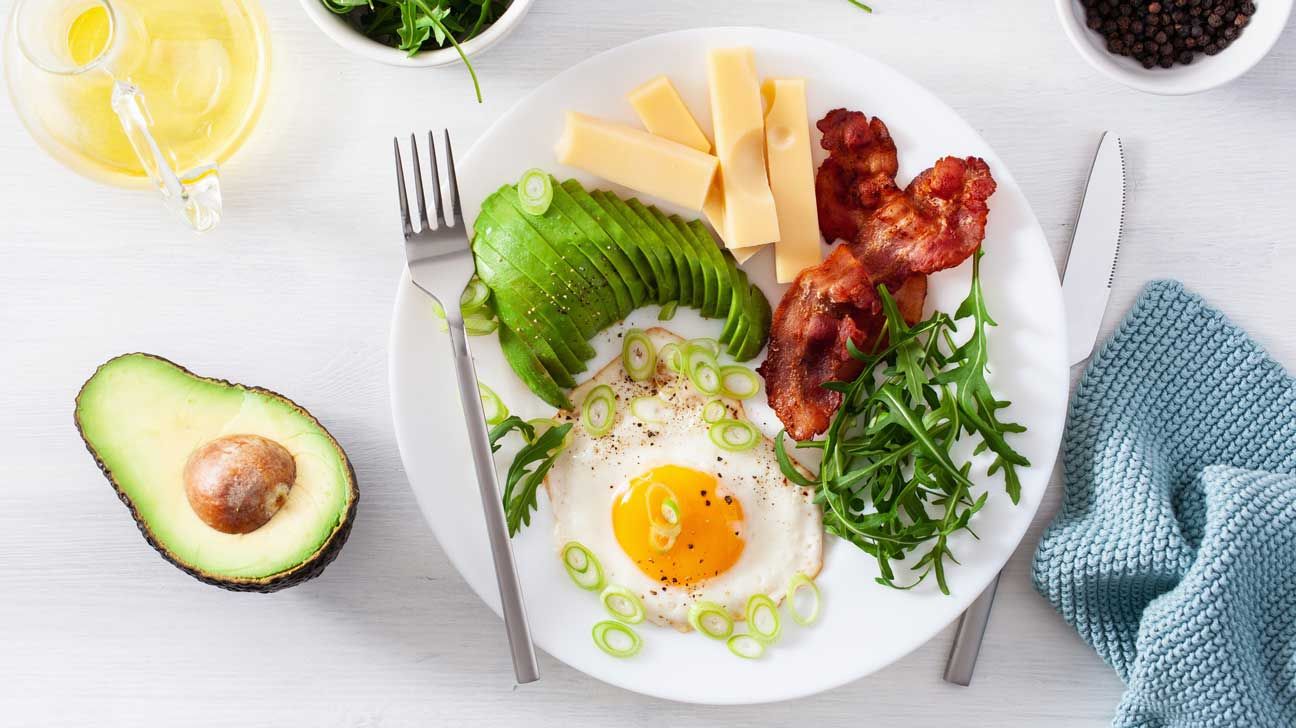
- A no-carb diet may provide certain benefits, including lowering blood pressure and boosting weight loss. Yet, it’s unnecessary to cut all carbs to experience these benefits.
- This diet may reduce energy levels and increase your risk of nutrient deficiencies, especially if done long-term. It may also be difficult to sustain.
- Instead, aim to eat a balanced diet with a variety of foods and get routine exercise.
A no-carb diet is an extreme version of low carb dieting. It eliminates almost all carbs, including whole grains, fruits, and vegetables.
While studies show that decreasing your carb intake can help you shed pounds, completely eliminating carbs is highly restrictive.
This article provides a detailed overview of a no-carb diet, including its potential benefits, downsides, and foods to eat and avoid.
A no-carb diet is a way of eating that eliminates digestible carbs as much as possible.
Carbs are your body’s primary source of energy. They’re found in grains, beans, legumes, fruits, vegetables, milk, yogurt, pasta, bread, and baked goods.
Someone on a zero-carb diet avoids most of these foods and instead primarily eats protein- or fat-rich foods, such as meats, fish, eggs, cheese, oils, and butter.
There is no strict rubric for this. Some people who follow it eat nuts and seeds, nonstarchy vegetables, and high fat fruits like avocado and coconut.
Even though these foods have some carbs, they’re
A no-carb diet resembles a ketogenic diet, which limits your carb intake to fewer than
Depending on what you choose to eat, a no-carb diet can be even more restrictive than keto.
If you want to try a no-carb diet, speak with your healthcare professional first.
Food and drinks allowed on a no-carb diet include meat, fish, eggs, cheese, butter, oils, water, and plain coffee or tea.
If you’re less stringent, you can also eat nuts, seeds, nonstarchy vegetables, and high fat fruits like avocado and coconut since these foods are low in net carbs.
Since this diet focuses on restricting a specific macronutrient, there are no recommendations for daily calorie intake or portion sizes.
In general, reducing your carb intake can help you lose weight, but you don’t need to completely eliminate carbs to achieve weight loss.
Gradually reducing your carb intake and, more importantly, decreasing your overall calorie intake are less restrictive ways to lose weight.
Replacing carbs with primarily more protein, as well as fiber and fat,
But
What happens if you don’t eat carbs for a week?
Very low carb diets typically promote rapid weight loss in the first few weeks.
However, this is usually due to a quick drop in water weight because every gram of carbs holds approximately
No studies exist on diets that completely eliminate carbs, but research on very low carb and ketogenic diets suggests that they may have several benefits.
- Cardiovascular health: Decreasing your carb intake may improve heart health. Very low carb diets have been shown to
decrease blood triglyceride levels, which can increase your chance of heart disease. Even so, more research is needed. - Blood glucose: Cutting carbs — particularly refined carbs and sugar — can aid blood sugar regulation/management, which may be
especially helpful for people with diabetes or glucose intolerance. - Blood pressure: A
study on middle-aged adults suggests reducing carb intake can help lower blood pressure. - Reduction of belly fat: Limited
research indicates that very low carb diets are better than low fat diets at decreasing belly fat, a type of fat associated with inflammation and certain diseases. - Metabolic syndrome: Decreasing carb intake
is observed to be associated with a lower chance of metabolic syndrome, a group of risk factors that increase the likelihood of developing heart disease, diabetes, and stroke.
A no-carb diet may have several downsides, including:
- Constipation: Since a no-carb diet restricts fruits, most vegetables, beans, and whole grains, it can be very low in fiber, which helps digestion by helping maintain bowel regularity. Because of this, a no-carb diet
may lead to constipation. - Low energy: Carbs are your body’s primary source of energy. Therefore, a no-carb diet may lead to low energy and fatigue.
- Insufficient nutrients: A no-carb diet may not provide enough vitamins and minerals, such as potassium, B vitamins, and vitamin C, which are abundant in fruits, vegetables, and other plant foods. Additionally, the increased urination that results from restricting carbs
may lead to nutrient deficiencies, such as sodium and potassium, over time.
Can you survive on a no-carb diet?
If you’re following a diet that still allows foods very low in net carbs, then you’re basically following a variation of the ketogenic diet.
If you’re excluding carbs entirely, the long-term impact isn’t as clear.
Excluding carbs doesn’t necessarily mean excluding all plant foods. However, the research on this subject is limited.
The no-carb diet is highly restrictive, very high in fat, and not well researched for safety.
It’s not appropriate for those with eating disorders, children, cholesterol hyper-responders, and pregnant or nursing people.
Due to insufficient
Foods that are typically allowed on a no-carb diet include:
- Meat and low carb animal products: chicken, beef, turkey, lamb, venison, bison, pork, eggs, butter, lard, cheese
- Seafood: salmon, tilapia, cod, shrimp, sardines, herring, crab
- Seasonings: herbs and spices
- Zero-calorie beverages: water, black coffee, and plain tea
- Nuts and seeds (those low in net carbs): almonds, walnuts, pumpkin seeds, sunflower seeds, pistachios, cashews
- Nonstarchy vegetables (those low in net carbs): broccoli, zucchini, bell peppers, cauliflower, leafy greens, rutabaga, turnips, Brussels sprouts, asparagus, mushrooms
- High fat fruits: coconut, avocado
A no-carb diet is highly restrictive and eliminates several food groups, such as:
- Grains: rice, farro, barley, quinoa, wheat, bread, pasta
- Sweets and baked goods: cakes, cookies, candy, sodas, sugary drinks
- Fruits: apples, oranges, bananas, berries, kiwi, pears
- Starchy vegetables: peas, corn, squash, potatoes
- Beans and legumes: black beans, kidney beans, chickpeas, lentils
- Dairy: milk and yogurt
- Condiments with added sugar: ketchup, barbecue sauce, salad dressings
- Alcohol: beer, wine, liquor, sugary mixed drinks
Here is a sample 5-day menu for a zero-carb diet.
Day 1
- Breakfast: eggs, bacon, sliced avocado
- Lunch: romaine lettuce with ground turkey, cheese, and olive oil dressing
- Dinner: salmon, zucchini noodles, side of sunflower seeds
- Snacks: beef jerky, cheese
Day 2
- Breakfast: eggs, steak, bell pepper strips
- Lunch: tuna-fish lettuce wraps, carrots dipped in mashed avocado
- Dinner: lamb chops, spinach salad with walnuts, and olive oil dressing
- Snacks: hard-boiled eggs, pistachios
Day 3
- Breakfast: eggs, turkey sausage, avocado
- Lunch: scallops, Brussels sprouts roasted with Parmesan cheese
- Dinner: pork chops, roasted tomatoes, and turnips
- Snacks: sunflower seeds, brie
Day 4
- Breakfast: eggs with shredded chicken, jalapeño, cheddar cheese
- Lunch: turkey burger patties with rutabaga fries
- Dinner: meatballs and zucchini noodles with roasted tomatoes
- Snacks: sardines, macadamia nuts