Key takeaways
- Nexletol is a prescription medication that may lower high cholesterol and reduce heart-related risks in certain adults.
- It comes as an oral tablet that you take once daily, with or without food. Nexletol may interact with certain statin medications, requiring dosage adjustments.
- While generally safe, Nexletol may cause side effects. Taking it is not recommended during pregnancy or breastfeeding due to potential harm to the fetus or unknown effects on breastfed infants.
Nexletol a prescription medication approved by the Food and Drug Administration (FDA) for the following uses:
- To reduce the risk of major cardiovascular disease adverse events (such as heart attack or stroke) in adults who are at increased risk for these events and are unable to take statin medications.
- To reduce LDL cholesterol levels in adults with high cholesterol, including heterozygous familial hypercholesterolemia (HeFH). Nexletol is prescribed along with a healthy, low cholesterol diet and regular exercise for this indication, either alone or with other cholesterol-lowering therapies (such as a statin).
Nexletol is a brand-name drug that contains the active ingredient bempedoic acid. It comes as oral tablet that you take once daily.
There is no generic version of Nexletol available at this time.
Nexletol belongs to a class of drugs called ACL inhibitors. ACL (adenosine triphosphate-citrate lyase) is an enzyme that’s involved in the production of cholesterol by the liver.
By inhibiting ACL, Nexletol decreases production of cholesterol in the liver and also lowers the level of LDL cholesterol (“bad cholesterol”) in the blood.
High levels of LDL cholesterol increase the risk of cardiovascular disease (CVD). By reducing LDL cholesterol in the blood, Nexletol also decreases the risk of serious adverse events of CVD (heart attack and stroke, for example).
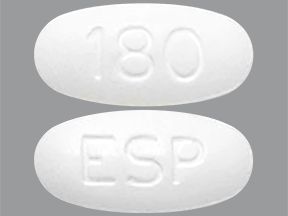
Nexletol comes as an oral tablet that you swallow. It has a strength of 180 milligrams (mg) per tablet.
You typically will take a 180 mg Nexletol dose once daily, with or without food.
More common side effects of Nexletol reported in studies of use of the drug for high cholesterol included:
- upper respiratory tract infection
- muscle spasms
- back pain
- abdominal pain
- hyperuricemia
More common side effects of Nexletol in studies of its use for reducing risk of cardiovascular events included:
- hyperuricemia
- kidney problems
- anemia
- high liver enzymes
- muscle spasms
- gout
Whether you have health insurance or not, cost may be a factor when you’re considering Nexletol. What you’ll pay for Nexletol may depend on several things, such as your treatment plan and the pharmacy you choose.
Here are a few things to consider regarding Nexletol cost and savings:
- Comparing pharmacies: The price of Nexletol may vary depending on which pharmacy you use, so it can help to compare prices across pharmacies to find the lowest cost.
- Drug coupons: You may be able to find drug coupons on prescription discount websites that can reduce the cost of your medication. These coupons cannot be used with insurance copays or benefits, but the discounted price may be lower than what you would pay through insurance.
- Financial assistance: Some websites provide details about drug assistance programs, ways to make the most of your insurance coverage, and links to savings cards and other services. Two such websites are:
Also, visit the Nexletol website to see if you qualify for discounts or financial support programs directly from the drug’s manufacturer.
Optum Perks is owned by RVO Health. By clicking on this link, we may receive a commission. Learn more.
Here are answers to frequently asked questions about Nexletol.
No, Nexletol is not a statin drug.
Like statins, Nexletol is used to lower cholesterol. But Nexletol is a type of drug called an ACL inhibitor and works in a different way than statins. See “Mechanism of action” for details.
If you miss a dose of Nexletol, take it as soon as you remember. But if you’re close to your next scheduled dose, skip it and take your next dose at your regularly scheduled time. If you miss a dose, and you’re unsure when to take your next dose, talk with your doctor or pharmacist.
Nexletol is used to manage high cholesterol and serious risks of cardiovascular disease. Since these are long-term conditions, it’s likely you will need to take Nexletol long term.
For specific details, talk with your doctor.
Taking a medication with certain other drugs, supplements, foods, and other substances can affect how the medication works. These effects are called interactions.
Before taking Nexletol, be sure to tell your doctor about all the medications you take, including prescription and over-the-counter types. Also describe any vitamins, herbs, or supplements you use. Your doctor or pharmacist can tell you about any interactions these items may cause with Nexletol.
Nexletol is known to interact with certain statin drugs, specifically:
- simvastatin (Zocor)
- pravastatin (Pravachol)
If you’re taking simvastatin or pravastatin, your doctor may lower your statin dose when you start taking Nexletol. This lowers your risk of an interaction.
Before taking Nexletol, discuss your health history with your doctor. Nexletol may not be right for you if you have certain medical conditions or other factors affecting your health.
Be sure to talk with your doctor if any of the following apply to you:
- hyperuricemia or gout
- a past allergic reaction to Nexletol or any of its ingredients
- kidney failure
- liver problems
- risk factors for a tendon rupture
- alcohol consumption
Pregnancy and breastfeeding
Nexletol may harm a fetus if taken during pregnancy, based on how the drug works. Your doctor will likely not prescribe Nexletol if you’re pregnant or planning to become pregnant.
Tell your doctor if you’re pregnant or considering pregnancy before starting Nexletol. They can recommend which treatments are safe for your high cholesterol during pregnancy.
If you’re exposed to Nexletol during pregnancy, tell your doctor about any side effects you experience. Your doctor could report these side effects to the Bempedoic Acid Pregnancy Surveillance Program. Bempedoic acid is Nexletol’s active ingredient. Reporting side effects through this program helps researchers better understand the drug’s risks.
Breastfeeding is not recommended with Nexletol. It isn’t known if Nexletol passes into breastmilk if taken while breastfeeding. Tell your doctor if you’re breastfeeding or considering breastfeeding before taking Nexletol. They’ll likely recommend that you do not take Nexletol.
Do not take more Nexletol than your doctor prescribes, as this can lead to harmful effects.
What to do in case of overdose
Call your doctor if you think you’ve taken too much Nexletol. You can also call 800-222-1222 to reach America’s Poison Centers or use its online resource. But if you have severe symptoms, immediately call 911 or your local emergency number. Or go to the nearest emergency room.
Nexletol is a brand-name medication prescribed to lower LDL cholesterol levels and reduce heart-related risks in certain adults. While generally safe, Nexletol may cause side effects. Also, Nexletol is not recommended for use during pregnancy or breastfeeding due to potential harm to the fetus or unknown effects on breastfed infants.
What to do next
- Stay up-to-date on heart health and other wellness issues by subscribing to one of Healthline’s free newsletters.
Note: This is a summary article. For more details about this drug, see Nexletol’s prescribing information.
Disclaimer: Healthline has made every effort to make certain that all information is factually correct, comprehensive, and up to date. However, this article should not be used as a substitute for the knowledge and expertise of a licensed healthcare professional. You should always consult your doctor or another healthcare professional before taking any medication. The drug information contained herein is subject to change and is not intended to cover all possible uses, directions, precautions, warnings, drug interactions, allergic reactions, or adverse effects. The absence of warnings or other information for a given drug does not indicate that the drug or drug combination is safe, effective, or appropriate for all patients or all specific uses.